
 EN
EN
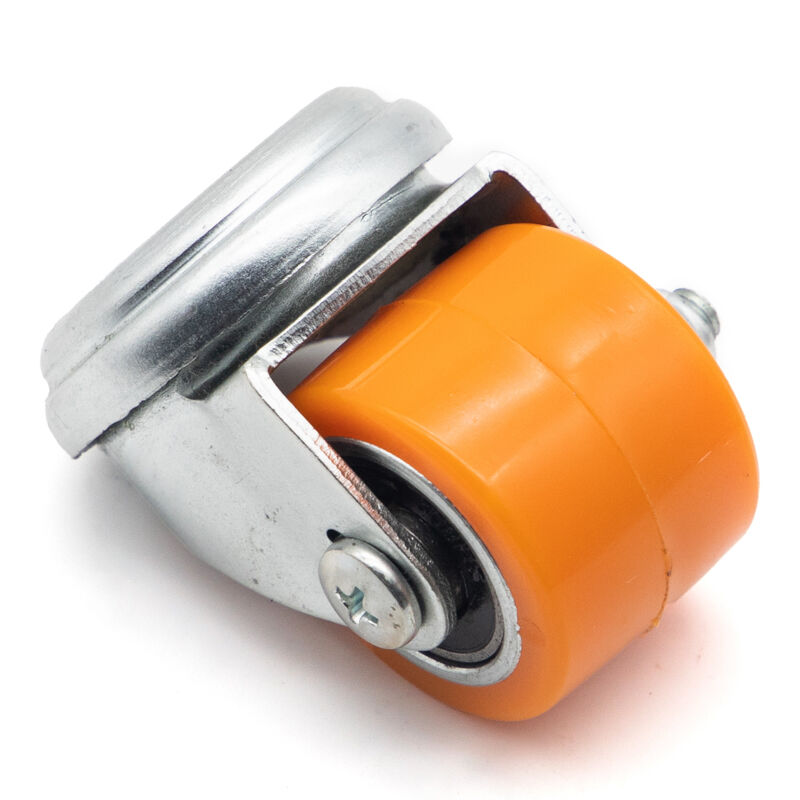
How Swivel Wheels Enable 360-Degree Maneuverability in Confined Areas
The Science Behind 360-Degree Rotation and Zero-Turn Radius
Swivel wheels work through a pivot system that lets them turn all the way around 360 degrees on a vertical axis, which means they basically have no turn radius at all. This feature lets shopping carts and industrial equipment spin right where they stand without needing extra space for those wide turning arcs we see with regular wheels. That's really important in crowded places like warehouses or grocery stores where every inch counts. The bearings inside these wheels are designed to cut down on friction so when someone wants to change direction, it happens smoothly without much effort from the person pushing. Tests show people using swivel wheels experience about 30% less physical strain compared to fixed wheel systems because they don't have to keep stopping and repositioning around obstacles. What makes this possible is the central pivot point that balances agility with keeping loads stable during movement. From an engineering standpoint, this design actually follows basic principles of motion efficiency. All these factors together mean fewer scratches on floors and less chance of collisions, which is why manufacturers specify swivel wheels for any situation where tight spaces and precise control matter most.
Common Use Cases: Navigating Warehouse Aisles, Hospital Corridors, and Retail Backrooms
Warehouses rely on swivel wheels so hand carts can zip through tight aisles without bumping into pallet stacks when restocking runs hot. Hospital staff appreciate the 360 degree freedom medical carts offer as they weave between patient beds and life saving equipment in those critical moments. Retail workers in back rooms save time thanks to these wheels allowing them to shift positions rapidly while restocking shelves, no need to lift heavy carts or twist them awkwardly in confined spaces. Looking at all these scenarios shows just how much better workflows become in crowded workspaces with limited room to spare. Some research indicates that this kind of easy movement cuts down worker exhaustion by about a quarter in stores, which explains why so many businesses across different sectors keep investing in these versatile wheels despite the initial costs. Safety matters most after all, along with getting things done fast and accurately.
Balancing Swivel Wheel Configuration for Stability and Agility
Four Swivel vs. Two Swivel + Two Fixed Casters: Trade-Offs in Control and Maneuverability
Four swivel wheels give equipment amazing agility, making it easy to move around in cramped areas such as narrow warehouse aisles or busy retail stores. But there's a catch. These setups tend to struggle with staying on course when moving heavy stuff along straight lines. That's why many facilities opt for a different approach. Two swivel and two fixed casters work better for linear movement, which matters a lot in places like hospital hallways where consistent motion is critical. The downside? Turning becomes harder since those fixed casters make the turn radius bigger by roughly 40% compared to all swivel systems. Lighter loads below 500 pounds handle great with four swivels. When dealing with heavier items or things that are top heavy though, mixing configurations helps avoid that annoying wheel wandering effect. This balance gives operators better control without sacrificing too much mobility.
Understanding Load Capacity vs. Swivel Agility: Why Heavy-Duty Doesn’t Always Mean Better Handling
Heavy duty swivel wheels (those rated above 1000 pounds typically) tend to focus more on lasting strength than quick movement around corners. The frames are built stronger and materials are bulkier which makes them stiffer overall. This stiffness comes at a cost though since these wheels usually lose between 15 to maybe even 25 percent of their ability to pivot quickly compared with regular duty versions. Bigger wheels can handle more weight obviously, but they also need more space to turn properly. Think about it this way: a six inch heavy duty wheel needs roughly thirty percent extra room just to make a full rotation compared to what a four inch standard wheel would require. So when working in tight spaces where maneuverability matters most, keep that tradeoff in mind before making a choice.
- Loads are under 800 lbs
- Movement involves frequent directional changes
- Floors are smooth, such as epoxy-coated concrete Selecting wheels based on actual operational needs—not maximum theoretical capacity—ensures optimal performance, minimizing wear and maximizing efficiency.
Choosing the Right Swivel Wheels: Materials, Load Ratings, and Locking Features
Material Comparison: Polyurethane, Rubber, and Nylon for Floor Safety and Traction
Picking out the correct wheel material involves finding a good balance between protecting floors, getting enough grip, and keeping noise levels down. Polyurethane wheels work great in most industrial settings because they can handle pretty heavy loads ranging from around 120 to 750 pounds each wheel, plus they stand up well against various chemicals. The downside is that these wheels tend to be quite hard, so they might pass along some vibration when rolling over rough spots. Rubber wheels absorb shocks better and run much quieter, which makes them perfect for places like hospitals and laboratories where noise matters. They also resist oil spills reasonably well. Then there's nylon, which takes the cake for carrying capacity at up to 1,100 pounds per wheel. These wheels are tough against dirt and wear, so factories with rough terrain often go this route. When it comes to floor protection specifically, polyurethane won't scratch polished concrete surfaces, whereas rubber wheels won't leave marks on vinyl flooring. A word of caution though: all these materials lose their grip when things get wet, so extra care needs to be taken around damp areas.
| Material | Best For | Load Range (lbs) | Floor Protection | Noise Level |
|---|---|---|---|---|
| Polyurethane | Industrial | 120-750 | High | Moderate |
| Rubber | Healthcare/Labs | 80-500 | Excellent | Low |
| Nylon | Manufacturing | 250-1,100 | Moderate | High |
Matching Wheel Size and Locking Mechanisms to Application Needs
The size of wheels makes a big difference when it comes to getting over obstacles. Warehouse environments typically need at least 5 inch wheels to clear those pesky door thresholds, whereas smaller spaces like retail stock rooms work fine with 3 inch options that navigate tight corners better. When choosing locking systems, match them to what kind of risks are involved on the floor. Total lock casters stop both wheel movement and turning completely, which is critical for things like medical equipment transport where stability matters most. For everyday use in libraries or maintenance areas, directional locks keep carts going straight down hallways without drifting off course. Nobody wants to constantly check load capacities, but here's something worth remembering: aim for wheels rated at least 25% higher than what they'll actually carry because all that turning creates extra stress. Under sized wheels end up costing companies around 40% more each year in repairs and replacements. And don't forget about slopes either. Loading docks especially benefit from casters equipped with progressive brakes that kick in automatically when released, giving workers peace of mind knowing their gear won't roll away unexpectedly.
FAQ
What is the advantage of swivel wheels over fixed wheels?
Swivel wheels provide 360-degree rotation, making it easier to maneuver carts or equipment in tight spaces, reducing physical strain and improving efficiency.
How do I choose the right material for swivel wheels?
The choice of material depends on your needs. Polyurethane is great for industrial environments, rubber is best for healthcare settings because it's quieter, and nylon is ideal for manufacturing due to its high load capacity.
What factors should I consider when selecting swivel wheels?
Consider the load capacity, material, wheel size, and locking features to match your specific operational needs and floor conditions.


