
 EN
EN
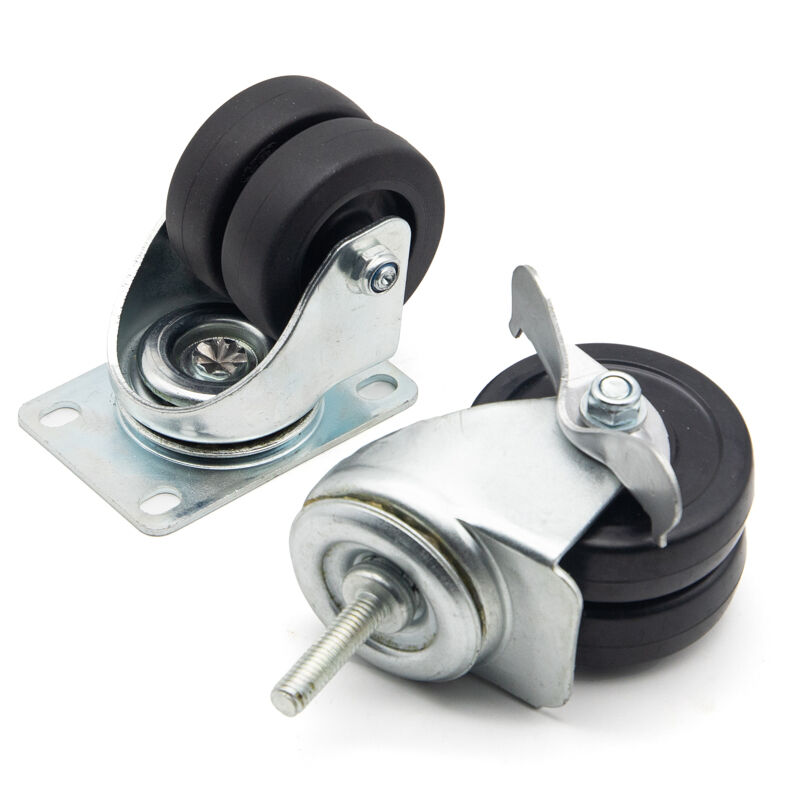
Why Swivel Wheels Are Critical for Patient Safety and Clinical Mobility
The safety-critical role of swivel wheels in preventing falls, strain, and transport errors
Swivel wheels play a really important role in hospital bed safety, cutting down on patient falls during transfers by around 32% according to some recent studies from 2023 looking at ergonomics. These wheels can move in all directions so nurses don't have to manually shift the whole bed around, which cuts back on those sideways forces that give caregivers back problems over time. Fixed wheels just aren't as good because they make sudden turns when moving through hallways, something that often leads to IV poles getting knocked over or bumping into other equipment. What makes swivel wheels special is their full 360 degree rotation. This lets staff make tiny adjustments right next to MRI machines or even inside tight isolation rooms where space is limited. The beds stay stable throughout these movements, keeping patients secure while allowing for careful positioning without any jarring motions.
How precision swivel mechanics enable controlled 360° rotation without drift or wobble
Quality swivel wheels come equipped with tapered roller bearings plus precision machined kingpins for smooth controlled movement while keeping things from drifting sideways unexpectedly. These design features help maintain stability even when moving around at speeds reaching about 4 miles per hour something really important during patient transport situations where balance matters most. Wheels with a pivot radius below three inches make it possible to navigate tight spaces inside typical ICU doors measuring 34 inches wide without compromising what they can carry. Stainless steel parts sealed on both sides stop dirt and debris from getting inside which would otherwise mess up how smoothly everything moves along especially when handling heavy bariatric loads up to 800 pounds. Getting this kind of precision right makes all the difference in preventing those dangerous over rotations that happen so often near loading dock edges or ramps where studies show instability risk jumps as much as 41 percent according to research published last year in the Clinical Transport Journal.
Braking, Locking, and Load-Bearing: Engineering Stability into Swivel Wheels
Dual-lock systems: Comparing total lock vs. directional lock for clinical safety and workflow efficiency
The stability of hospital beds really comes down to those specialized braking systems they have built in. When we need complete immobilization, total lock mechanisms stop both wheels from turning and prevent any swivel motion at all. These are absolutely necessary when patients need to stay put during critical moments like transfers between rooms, getting ready for surgery, or being monitored in the ICU. The downside? Once these locks are engaged, the whole bed has to be completely disengaged before anyone can move it again. Directional locks work differently though. They just stop the swivel action but let the bed roll forward or backward in straight lines. This makes it much easier to shuffle around in tight spaces like hospital corridors without constantly unlocking and relocking the brakes every few feet. Sure, directional systems speed things up during transport, but for situations where absolute stillness matters most, nothing beats good old fashioned total locking for keeping everything safe and secure.
Load capacity validation: Supporting bariatric patients and dynamic bed adjustments safely
Swivel wheels built for medical equipment go through thorough testing both when stationary and in motion to stand up to what happens in actual hospitals and clinics. When it comes to static tests, manufacturers check how well the wheels handle bariatric patient weights according to industry standards, typically around 800 pounds as a benchmark. For dynamic testing, engineers simulate what happens when caregivers adjust bed heights quickly or roll equipment over rough floors between rooms. Better quality wheels often include hardened metal axles and special polymer materials inside that help soak up the jolts when beds tilt back and forth, which stops them from wobbling when someone moves from sitting upright to lying down. Meeting requirements set by ISO 13485 and IEC 60601-1 isn't just paperwork either these certifications mean the wheels will keep working reliably even after being used many times over months and years in busy healthcare environments.
Maneuverability in Real Healthcare Environments: Swivel Wheels in Tight, High-Traffic Spaces
Optimized swivel wheel geometry for tight-turn navigation in ICU corridors and elevator thresholds
Hospital beds equipped with specially designed swivel wheels can turn easily even in tight ICU spaces where corridors measure just 36 inches wide. These wheels have a small turning circle that keeps them from drifting off course when moving patients around. This means fewer bumps into doors, equipment mounted on walls, and other beds nearby. Nurses tell us they make about 40 percent fewer mistakes navigating these cramped areas compared to older models with fixed wheels. The wheel design works well for stability too, especially when crossing between floors via elevators. Without those sudden jerks that happen with regular wheels, patients stay secure and medical care isn't interrupted during transport.
Shock absorption and low-rolling resistance: Balancing smooth transit with patient comfort and staff ergonomics
Advanced polyurethane treads in medical-grade swivel wheels absorb floor-induced vibrations—protecting neurologically sensitive or post-operative patients during transport. Simultaneously, low-rolling resistance reduces push force requirements by 30% (per ergonomic studies), easing physical demand on caregivers during extended shifts. The dual benefit is clear:
- Patients experience smoother, more comfortable transfers
- Staff conserve energy for direct clinical responsibilities
Properly maintained swivel systems eliminate the “sticking” effect common in high-traffic corridors, ensuring consistent, predictable performance across all shifts.
Hygiene, Durability, and Operational Reliability of Medical-Grade Swivel Wheels
Swivel wheels designed for medical environments are made from materials that don't trap germs and can handle all sorts of hospital cleaners without breaking down. We're talking about stuff like accelerated hydrogen peroxide, those quaternary ammonium products, and even bleach solutions. The point is these wheels won't become breeding grounds for bacteria because there are no cracks or gaps where pathogens could hide. For hospitals dealing with serious infections, this matters a lot. The polymer materials used stand up against both chemicals and constant rolling around, and the bearings keep spinning smoothly through thousands upon thousands of rotations. Good performance here isn't just nice to have it's actually vital for patient care. When equipment moves predictably without sudden jerks during transfers, it protects fragile patients and builds confidence in the mobility systems rely on every day.
FAQ
What are swivel wheels?
Swivel wheels are wheels that allow hospital beds and other equipment to move in all directions, improving mobility and safety.
How do swivel wheels enhance patient safety?
Swivel wheels reduce patient falls during bed transfers and prevent medical equipment from bumping into obstacles, safeguarding patients and caregivers alike.
What are the benefits of dual-lock systems in swivel wheels?
Dual-lock systems in swivel wheels allow for either complete immobilization or directional movement, enhancing safety and efficiency during patient transport.
How do swivel wheels maintain hygiene standards?
Swivel wheels are made from materials that resist germ accumulation and can withstand hospital cleaning agents, ensuring they remain hygienic.
Table of Contents
- Why Swivel Wheels Are Critical for Patient Safety and Clinical Mobility
- Braking, Locking, and Load-Bearing: Engineering Stability into Swivel Wheels
- Maneuverability in Real Healthcare Environments: Swivel Wheels in Tight, High-Traffic Spaces
- Hygiene, Durability, and Operational Reliability of Medical-Grade Swivel Wheels
- FAQ


