
 EN
EN
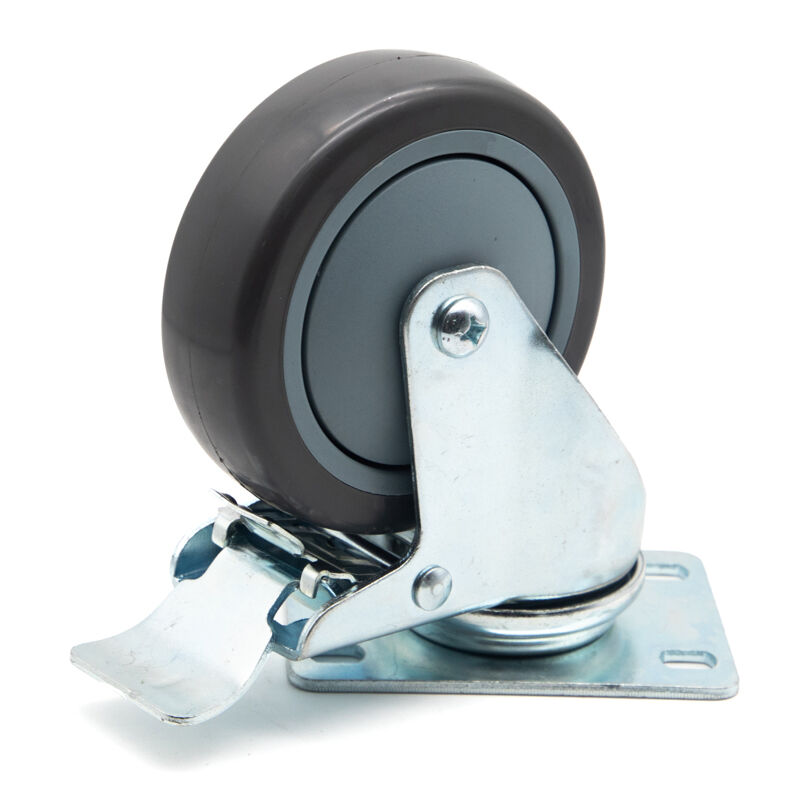
How Caster Wheel Diameter Affects Maneuverability and Rolling Resistance
Physics of Larger vs. Smaller Caster Wheels: Effort, Stability, and Obstacle Clearance
Bigger caster wheels cut down on rolling resistance because of basic physics principles. Studies from material dynamics show that each extra inch in diameter actually lowers resistance by around 10% (Darcor 2024). So for instance, getting a 6 inch wheel instead of a 4 inch one means much less effort needed to get things moving. Wheels with larger diameters spread weight out better over their contact area, which makes them more stable when carrying heavy stuff and helps prevent damage to floors. The shape of these bigger wheels basically skips over bumps and obstacles like cracks, gaps between floor panels, or bits of debris rather than getting stuck there, making for smoother rides overall. Smaller wheels work best in cramped areas where space is really tight vertically or horizontally, but they come at a cost. They need about 15 to 20 percent more force just to start rolling on rough surfaces because they put more pressure on the ground and can't clear obstacles as easily.
Floor Surface Compatibility: Matching Caster Wheel Size to Concrete, Grating, Carpet, or Uneven Terrain
Optimal wheel diameter depends heavily on floor conditions:
| Surface Type | Ideal Diameter | Key Consideration |
|---|---|---|
| Smooth Concrete | 3"–5" | Smaller wheels offer precise maneuverability |
| Industrial Grating | 6"+ | Prevents wheel jams in openings |
| Carpeted Areas | 4"–5" | Balances friction and obstacle clearance |
| Uneven Outdoor Terrain | 8"+ | Maintains momentum over bumps and debris |
When moving on grated surfaces, wheels that are too small can actually raise operational strain by around 30%, mainly because they keep dropping into the gaps between the rails. The tiny carpet fibers create extra drag too, which is why medium sized wheels work best for hospital carts. These sizes let staff roll quietly through hallways without needing to push super hard all the time. In places with rough terrain such as warehouse loading areas or dock entrances, bigger wheels tend to perform better since they maintain steady movement while smaller ones get stuck on little bumps and cracks in the floor surface.
Caster Wheel Size and Load Capacity: Ensuring Safe, Long-Lasting Performance
Why Larger Caster Wheels Support Higher Load Capacities—And When Smaller Wheels Excel
Bigger caster wheels can carry more weight simply because they have a larger surface touching the ground. When something heavy rolls over them, the weight gets spread out across this bigger area, so neither the wheel nor the floor takes as much pressure. Take a look at standard sizes: those 6 inch wheels usually manage about 40 percent extra weight compared to similar 4 inch ones sitting on the same axle system. This means less strain on the treads, bearings don't get stressed so quickly, and things last longer before wearing down. That said, there's still good reason to go small when dealing with lighter stuff under 500 pounds or when space is tight. Smaller wheels fit better in these situations since they allow machines to turn sharper corners and stay low enough to pass through narrow spaces. Medical equipment like hospital carts really benefit from this compact design as they need to squeeze past furniture and fit through doors that aren't very tall.
Step-by-Step Caster Load Calculation: From Total Equipment Weight to Per-Wheel Sizing
Accurate load calculation prevents failure and extends service life. Use this validated process:
- Total Weight: Measure fully loaded equipment—including accessories, fluids, and attachments.
- Safety Margin: Add 25–30% to account for dynamic shifts during acceleration, braking, or turning.
- Per-Wheel Load: Divide the adjusted total by the number of casters.
- Surface Factor: Multiply by 1.25 when traversing thresholds, grating, or uneven terrain.
Example: A 1,200 lb cart with 4 wheels requires casters rated for at least 375 lbs each (1,200 × 1.3 × 4 × 1.25). Never exceed 80% of a caster’s published static load rating to ensure long-term reliability and safety.
Tread Material, Overall Height, and Space Constraints in Caster Wheel Selection
Picking out the right caster wheel involves looking at several factors including what kind of tread material works best, how tall the wheel needs to be overall (called OAH for short), and whether there are any space issues to worry about. Wheels with wider flat treads made from stuff like polyurethane or rubber tend to spread weight around better compared to those with narrow or rounded profiles. This means they can handle heavier loads without needing bigger wheels. That makes all the difference when working in tight spaces where floor area or mounting depth limits how big a wheel can actually be. The overall height of the wheel matters too because it affects how well it can roll over bumps and debris on floors. Bigger wheels definitely handle rough spots better, but they also make the whole piece of equipment sit higher off the ground. Sometimes this causes problems getting things under work benches or through standard doorways. For situations like these, using two smaller wheels together instead of one large one gives good load capacity while keeping the overall height down. Before locking in on specific measurements though, take time to check actual installation spaces and look closely at floor conditions. A lot of problems with wheels getting stuck, feeling unstable, or wearing out fast come back to simple mistakes about dimensions being ignored during planning.
Industry-Specific Caster Wheel Size Recommendations for Industrial and Medical Equipment
Industrial Applications: Prioritizing Durability and Heavy-Load Mobility
In industrial settings, casters need to handle serious wear and tear while managing heavy loads effectively. When dealing with equipment over 2,000 pounds, going for wheel sizes between 6 and 10 inches makes a lot of sense. These bigger wheels spread out the weight better and keep things rolling smoothly even when moving across rough surfaces like cracked concrete floors, gravel paths, metal gratings, or areas littered with debris. The best materials for these situations include hardened polyurethane or forged iron treads that stand up to constant rubbing and scraping. Reinforced hubs and axles are another must-have feature since they stop the whole wheel from bending or breaking after repeated impacts from heavy machinery. Wheels sized 3 to 5 inches work fine for lighter equipment in clean workshops or warehouses, but whenever there's potential for sudden impacts, long journeys across different terrains, or just general rough handling, bigger is definitely better. A good rule of thumb? Make sure the load rating on those wheels is at least 25% higher than what the actual equipment weighs. This extra margin covers all those unexpected bumps and jolts that happen in real world operations.
Medical Equipment: Optimizing for Quiet Operation, Tight-Turn Maneuverability, and Floor Protection
In hospitals and clinics, good caster design needs to handle several important factors at once. The wheels must be quiet enough not to disturb patients resting nearby, yet also allow medical staff to maneuver equipment precisely through narrow corridors and around furniture. Wheels with smaller diameters between 2 and 4 inches work best for making those tight turns needed in cramped areas like patient rooms or MRI suites. Non-marking rubber or thermo-rubber treads are practically silent during movement which is really important when passing by sleeping patients or operating sensitive diagnostic machines. Many facilities now prefer dual wheel setups because they provide better side-to-side stability for things like IV stands and portable X-ray machines without making steering any harder than regular single wheels. When protecting floors matters most, softer tread materials can help absorb vibrations from rolling carts, stand up against harsh cleaning chemicals used daily in healthcare settings, and avoid leaving unsightly marks on expensive flooring. According to studies on ergonomics, switching from hard plastic wheels to 3 inch thermo rubber ones cuts down noise levels by about forty percent while still being strong enough to carry all the usual gear found on mobile workstations throughout hospital wings.
FAQs
What is the advantage of larger caster wheels?
Larger caster wheels reduce rolling resistance, spread weight out better over their contact area, and skip over obstacles more easily than smaller wheels. They are ideal for moving heavy loads and performing well on uneven terrains.
How do you calculate the load capacity per caster?
Measure the total weight of fully loaded equipment, add a 25–30% safety margin, divide by the number of casters, and multiply by a surface factor of 1.25 to ensure reliability over uneven terrains.
Why are smaller wheels preferred for medical equipment?
Smaller wheels are preferred for medical equipment because they allow for quiet operation, tight-turn maneuverability, and floor protection. They are better for navigating narrow corridors and avoiding marks on floors.
What tread materials are best for industrial equipment?
Best materials for industrial equipment include hardened polyurethane, forged iron treads, and reinforced hubs and axles to manage wear, tear, and heavy loads.
What is the ideal caster wheel diameter for carpeted areas?
Ideal wheel diameter for carpeted areas is between 4" and 5" to balance friction and obstacle clearance efficiently.
Table of Contents
- How Caster Wheel Diameter Affects Maneuverability and Rolling Resistance
- Caster Wheel Size and Load Capacity: Ensuring Safe, Long-Lasting Performance
- Tread Material, Overall Height, and Space Constraints in Caster Wheel Selection
- Industry-Specific Caster Wheel Size Recommendations for Industrial and Medical Equipment
- FAQs


