
 EN
EN
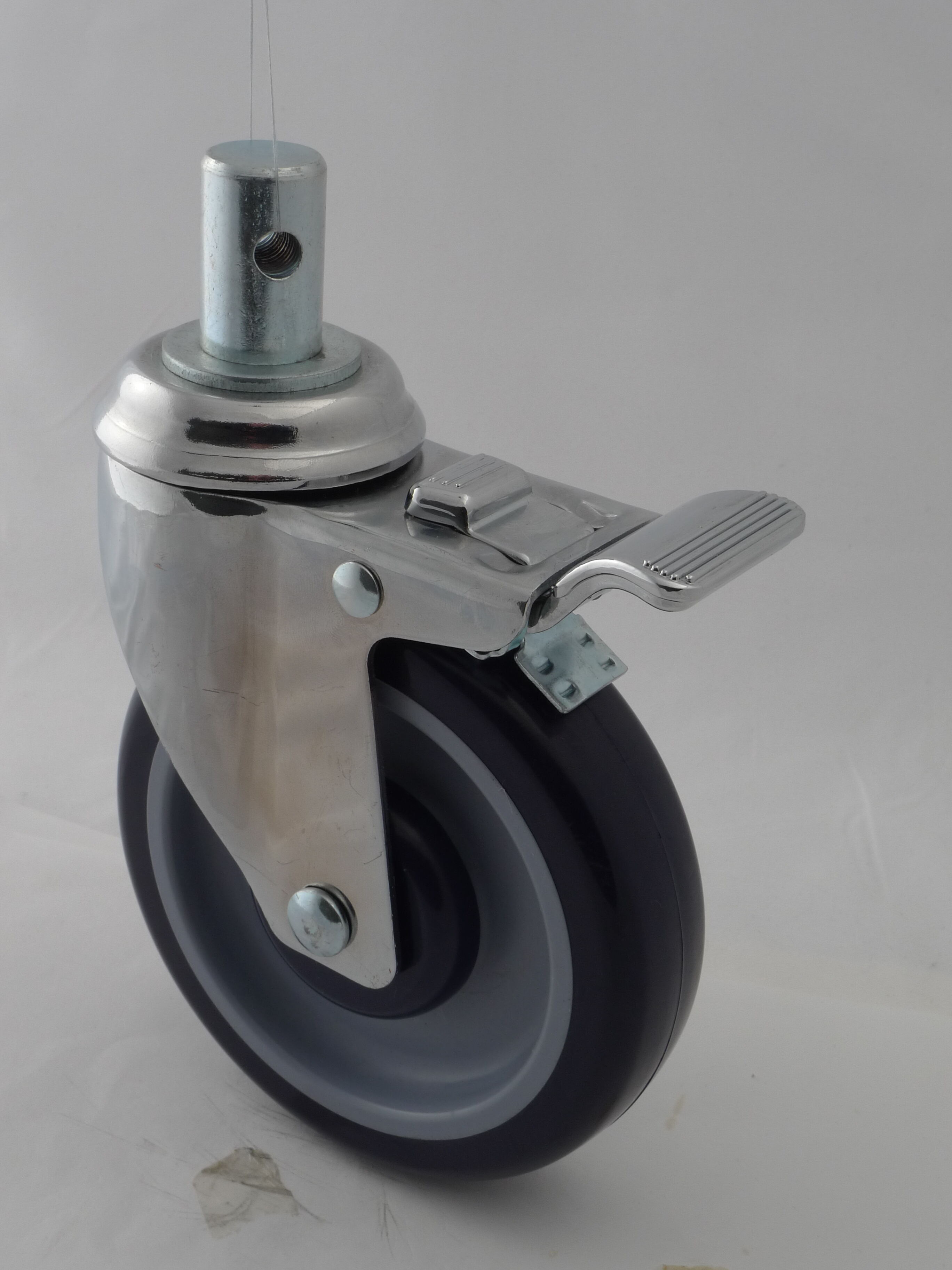
Why Trolleys Wheels Are Critical to Catering Efficiency and Workflow Safety
The wheels on catering trolleys really make a difference in how things run during service. Good wheels let staff move supplies and meals around quickly and safely in busy places like conference centers or event spaces. Restaurants that have invested in better mobility options see their tables getting turned over about 25% faster during rush times, which obviously means more money coming in. Bad wheel systems are actually responsible for nearly 60% of those little accidents that happen in food service operations. The Ponemon Institute found last year that these issues cost the average restaurant around $740,000 each year in worker compensation and fines. When wheels lock up suddenly or wobble while carrying hot food or stacked plates, it creates serious safety problems for both employees and customers. Smooth rolling through tight kitchen spaces and crowded dining rooms keeps the whole operation running without constant stops and starts. This isn't just about convenience either - proper wheels help meet OSHA requirements for lifting and moving heavy loads. Most equipment manufacturers are now focusing on heavy duty casters with reliable brakes because they know this stuff matters for day to day operations and legal protection too.
Selecting the Right Trolleys Wheels: Castor Types, Configurations, and Load Capacity
Choosing optimal trolleys wheels directly impacts catering workflow safety and efficiency. Mismatched components risk equipment failure, spills, or staff injuries—especially when moving hot food carts or bulk supplies across commercial kitchens.
Swivel vs. Fixed vs. Braked Castors: Matching Trolleys Wheels to Floor Surfaces and Traffic Patterns
Select castors based on environmental demands:
- Fixed castors suit straight-path corridors (e.g., loading docks), reducing sideways drift during high-speed transport.
- Swivel castors enable 360° maneuverability for crowded buffet lines or tight storage spaces.
- Braked castors prevent accidental movement on slopes or near cooking stations—critical for OSHA compliance and staff safety.
Polyurethane wheels glide smoothly over tile, while rubber treads absorb vibrations on uneven concrete—enhancing both stability and operator comfort.
Load Rating, Wheel Diameter, and Bearing Type: How Trolleys Wheels Handle Hot Food Carts and Heavy Supply Loads
Prioritize three engineering factors:
- Load rating: Exceed total weight (cart + contents) by at least 30% to avoid premature failure. A 500 kg hot food cart requires wheels rated ≥650 kg collectively.
- Wheel diameter: Larger wheels (≥125 mm) traverse cracks and debris effortlessly, reducing push force by up to 40% versus smaller options.
-
Bearing type:
- Roller bearings support >300 kg per wheel—ideal for dish stacks or kegs.
- Precision ball bearings ensure consistent, smooth rotation in high-temperature zones near ovens or steam tables.
Stainless steel axles resist corrosion from frequent washdowns, extending service life without compromising structural integrity.
Food-Safe and Hygienic Trolleys Wheels: Material Standards and Regulatory Compliance
In food service environments, trolleys wheels must meet stringent hygiene protocols to prevent contamination. Materials directly contacting food-contact surfaces—or floors that contact food—require validation against global safety standards; non-compliant components pose significant cross-contamination risks.
Stainless Steel Castors: NSF/ANSI 2 and Corrosion Resistance for Washdown Environments
Stainless steel is still considered the gold standard for busy commercial kitchens because it has that non porous surface plus holds up structurally over time. Wheels that meet NSF ANSI 2 standards can handle those intense daily wash downs with harsh chemicals without getting pitted or oxidized where bacteria might grow. The austenitic types like 304 and 316L work best against chlorides in areas where things get really wet during processing. These wheels keep functioning properly even when they're carrying weights over 800 pounds each, which matters a lot in industrial settings.
Food-Grade Polymers (Polypropylene, TPE): Meeting FDA 21 CFR §177.1520 and EU 10/2011 Requirements
Thermoplastic elastomers (TPE) and polypropylene provide lightweight alternatives where chemical resistance matters most. These polymers undergo migration testing to verify zero leaching of plasticizers into food substances, complying with FDA 21 CFR §177.1520 and EU Regulation 10/2011 thresholds. Key advantages include:
- Noise reduction on tiled floors
- Non-marking treads preserving floor finishes
- Hydrolysis resistance in steam-cleaning tunnels
Their inherent flexibility reduces joint stress during tight maneuvers with loaded trolleys.
Ergonomic and Operational Enhancements in Modern Trolleys Wheels
Low-Vibration, Quiet-Roll Wheels and Dual-Function Brakes for Spill Prevention and Staff Safety
Today's trolley wheels use special materials such as polyurethane along with carefully designed bearings that cut down on vibrations when moving around. This helps keep drinks from spilling in kitchens and restaurants, plus makes them almost silent which is really important in places where noise matters, like at weddings or big events in ballrooms. These wheels work alongside brakes that do two things at once locking both how the wheels turn and whether they can pivot left or right. That gives extra stability when people are loading or unloading stuff. Safety reports show this setup cuts down slip risks by about 40%. And there's another benefit too operators need roughly 30% less effort pushing or pulling compared to regular models, so their hands don't get tired as quickly after long shifts. Plus, these meet all the OSHA requirements for jobs involving repeated motions.
Key Design Improvements
- Vibration Control: High-grade polymers and ribbed treads absorb floor irregularities
- Acoustic Management: Sealed bearings eliminate metal-on-metal contact noise
- Stability Assurance: Simultaneous vertical/horizontal brake engagement
- Force Reduction: Optimized wheel diameter-to-load ratio minimizes effort
FAQ
-
Why are trolleys wheels important in catering?
Trolleys wheels improve mobility and safety in fast-paced environments, reducing workflow interruptions and meeting OSHA lifting requirements.
-
How do I choose the right trolleys wheels?
Consider factors like castor type, load rating, wheel diameter, and bearing type based on your specific environment and needs.
-
What materials are best for food-safe trolleys wheels?
Stainless steel castors and food-grade polymers comply with safety standards, ensuring hygiene and durability in food service settings.
-
What are the ergonomic benefits of modern trolleys wheels?
They reduce vibrations, noise, and effort required to move heavy loads, maximizing staff comfort and safety.
Table of Contents
- Why Trolleys Wheels Are Critical to Catering Efficiency and Workflow Safety
- Selecting the Right Trolleys Wheels: Castor Types, Configurations, and Load Capacity
- Food-Safe and Hygienic Trolleys Wheels: Material Standards and Regulatory Compliance
- Ergonomic and Operational Enhancements in Modern Trolleys Wheels
- FAQ


