
 EN
EN
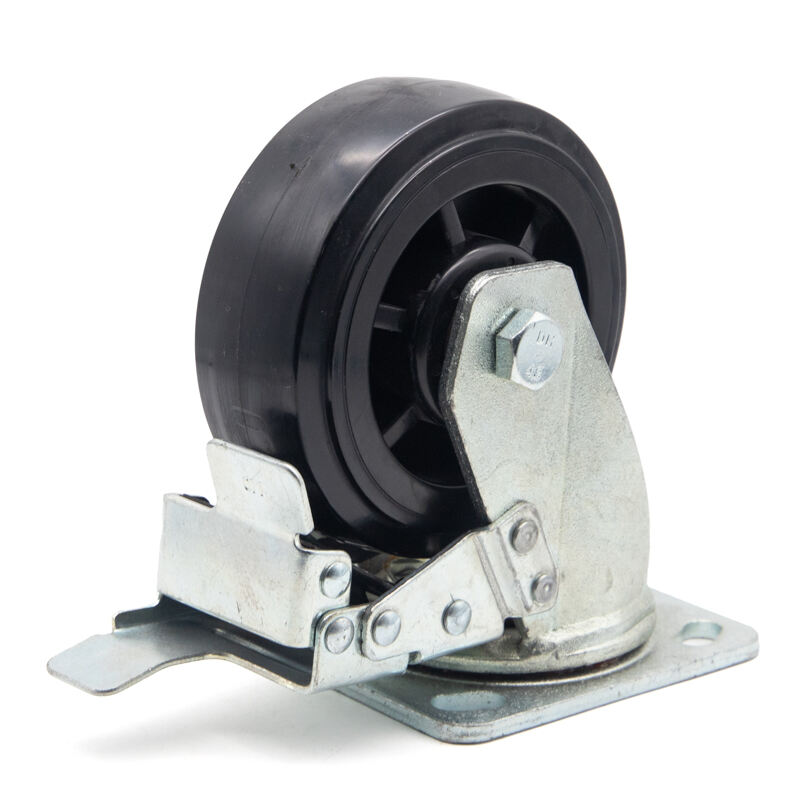
The Physics of Swivel Wheels Stability: Center of Gravity and Caster Trail
How Center of Gravity Height and Position Influence Tip-Over Thresholds
When it comes to preventing tip-overs in swivel wheel systems, nothing matters more than where the center of gravity sits. Raise that point even slightly and stability plummets fast. According to those ANSI/RIA 2023 guidelines we all need to follow, bumping up COG height by just 10% can slash stability margins by around 30%. And things get worse when loads aren't centered properly. Shift cargo only 15 degrees off the vehicle's centerline and capacity drops by nearly a quarter. No wonder most industrial tip-overs happen because of uneven weight distribution. The data shows over two thirds of accidents stem from this exact problem. To keep things stable, manufacturers should always place heavier parts as low down and right in the middle of whatever they're carrying. Practical experience confirms what the math already tells us about proper weight placement.
Caster Trail, Swivel Offset, and Dynamic Self-Centering Behavior in Moving Swivel Wheels
The caster trail refers to how far back the wheel sits from where it turns on its axis. When a vehicle moves, this creates what mechanics call self-aligning torque. Most manufacturers set these trails at around 5 to 15 percent of the actual wheel size. Bigger numbers mean stronger centering forces that keep wheels from drifting sideways when cornering or turning. What makes this work? Basically, it's all about friction between tires and road surfaces fighting against those sideways forces. Good quality swivel bearings really boost this effect too. Some tests show they can cut down on annoying wobble by about 40%, though results might vary depending on conditions. For anyone operating at speed, this automatic steering correction becomes absolutely critical. It fixes small course errors as they happen, so operators don't have to constantly fight the controls just to stay on track.
Swivel Wheel Configuration Strategies for Maximum Stability
Three-Wheel vs. Four-Wheel Swivel Systems: Stability, Maneuverability, and Load Envelope Trade-Offs
When deciding between three wheel and four wheel swivel setups, manufacturers need to weigh maneuverability against stability factors. Three wheel configurations offer remarkable turning ability especially in confined areas, though they come at a cost. Tip over resistance drops significantly when using these systems, somewhere around 30 to 40 percent less than what four wheel models provide according to Industrial Equipment Journal from last year. The problem arises when dealing with uneven weight distribution or operating on slopes where the triangular base just doesn't hold up well. Four wheel alternatives spread out the load across a wider area, which means equipment can handle about 25% heavier payloads while maintaining better direction control during straight line movement. But there's always something given up for this advantage. Pivot points aren't as flexible anymore, so facilities actually need extra space for complete turns, roughly 15 to 20% more clearance than standard requirements.
| Configuration | Stability Rating | Turning Radius | Max Load Capacity |
|---|---|---|---|
| Three-Wheel | Moderate | 12–18 inches | 800–1,200 lbs |
| Four-Wheel | High | 24–36 inches | 1,500–2,000 lbs |
In dynamic environments, hybrid configurations—two fixed wheels paired with two swivel wheels—often deliver the optimal balance of steering precision and tip-over resistance.
When Five-Wheel Swivel Configurations Justify Complexity: High-Load and Low-COG Applications
When dealing with loads over 3 tons or working with equipment that sits really low to the ground (think under 24 inches), five wheel swivel systems start making sense both from a technical standpoint and cost perspective. The five point design actually boosts stability by around half compared to standard four wheel setups, plus it spreads out the weight across the floor much better. This matters a lot when moving stuff around on delicate surfaces like hardwood floors or tile where heavy machinery might otherwise cause damage. Many warehouses and manufacturing facilities find these multi wheeled options particularly useful for their specialized needs.
- Semiconductor manufacturing tools requiring vibration-free transport
- Medical imaging devices with sub-24-inch COG heights
- Aerospace component carriers managing irregular, asymmetric loads
Though installation costs rise 20–30%, five-wheel systems cut tip-over incidents by 62% in low-COG applications (Material Handling Institute 2023). Their added complexity pays off only where standard configurations risk instability, floor damage, or operational downtime.
Load Management Best Practices to Prevent Swivel Wheels Tip-Over
Symmetric Loading Protocols and Real-World Impact: ANSI/RIA 2023 Findings on Asymmetric Load Incidents
Keeping the load evenly distributed across both sides is probably the best and cheapest way to stop those swivel wheels from tipping over. When weight gets uneven, it pushes the center of gravity outside what's called the stability triangle - basically the area created by where the wheels touch the ground - which makes things unstable sideways. The latest ANSI/RIA report from 2023 shows that about seven out of ten lateral tip overs happen because of unbalanced loading in industrial equipment. If there's more than 15% difference in weight on either side, the tipping point drops by around 40%, especially noticeable when making turns or speeding up. Good operators stick to three basic rules they just can't ignore: first, put heavy stuff close to the middle of the swivel mechanism, second, tie down stacked materials properly so nothing slides around, third, double check everything looks balanced before starting to move anything. Companies that actually follow these guidelines have reported cutting their tip over incidents by almost two thirds within half a year. And remember, moving too fast really matters too. When carrying loads with high centers of gravity, nobody wants to exceed five miles per hour since sudden movements just make everything worse.
FAQ
What happens if the center of gravity is too high in swivel wheel systems?
If the center of gravity (COG) is too high, it significantly reduces the stability of swivel wheel systems, increasing the risk of tip-overs.
How does caster trail impact swivel wheels?
Caster trail influences the self-aligning torque, which is crucial for maintaining straight motion and preventing sideways drift.
What's the difference in stability between three-wheel and four-wheel swivel systems?
Three-wheel systems offer better maneuverability but lower stability compared to four-wheel systems.
When should five-wheel swivel configurations be considered?
Five-wheel configurations are ideal for high-load or low-center-of-gravity applications as they enhance stability and evenly distribute weight across surfaces.


