
 EN
EN
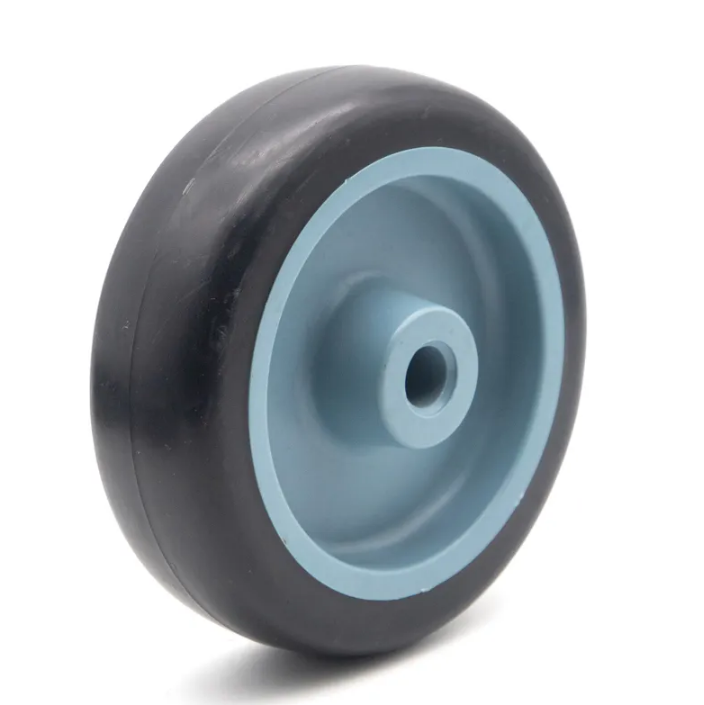
How Wheel Material Affects Push/Pull Force and Operator Ergonomics
The material of a caster wheel directly determines how much force an operator must exert to start and sustain movement. Softer treads grip the floor and absorb vibration, while harder compounds reduce rolling resistance on smooth surfaces. The key is balancing grip, floor protection, and ease of motion to minimize strain.
Durometer, Resilience, and Tread Composition: Key Drivers of Rolling Resistance
Durometer measures surface hardness, typically on the Shore A scale. A wheel with a lower durometer (e.g., 60A) deforms more under load, increasing contact area and rolling resistance. A higher durometer (e.g., 95A) rolls more easily on hard floors but can transmit shock and reduce traction on wet or uneven surfaces. Resilience—the material’s ability to rebound after compression—also matters: a resilient tread recovers quickly, lowering the force needed to keep the wheel turning. Tread composition, whether solid polyurethane, rubber, or microcellular foam, further alters friction and floor marking. For carts operating on concrete or tile, polyurethane with a durometer between 75A and 85A offers a proven balance of low rolling resistance and adequate grip.
Real-World Impact: 38% Reduction in Average Push Force with 75A Polyurethane Wheels
A controlled ergonomic study measured push forces on standard industrial carts before and after replacing hard rubber wheels with 75A polyurethane wheels. The average initial push force dropped by 38%, bringing effort below the 25 lbf limit recommended by OSHA’s ergonomic guidelines for manual cart handling. This reduction lowers the risk of repetitive-strain injuries in the shoulders and lower back. The softer polyurethane tread also conforms slightly to floor imperfections, reducing jolts and vibration that contribute to operator fatigue. Facilities adopting such wheels often report fewer injury claims and faster workflow cycles.
Pneumatic vs. Solid Wheels for Cart: Matching Tire Type to Floor Conditions and Workflow Needs
Choosing between pneumatic and solid wheels for cart applications directly affects operator comfort, productivity, and maintenance costs. Each tire type excels in different environments, so matching the design to your floor conditions and workflow is essential.
Trade-Offs Explained: Shock Absorption vs. Stability, Vibration Transmission, and Maintenance Burden
Pneumatic wheels provide excellent shock absorption, which reduces vibration transmitted to the operator and the cart’s contents. This makes them ideal for uneven floors, loading docks, or outdoor paths. However, the air-filled design introduces trade-offs: reduced lateral stability under heavy loads and a higher risk of flats, requiring regular pressure checks and repairs. Solid wheels deliver maximum stability and eliminate puncture risks, but they transmit more vibration—leading to greater operator fatigue on rough surfaces. Their maintenance burden is minimal, but the rougher ride can increase long-term strain. As a middle ground, microcellular foam wheels combine the shock-absorbing traits of pneumatics with the puncture resistance of solids, though they are heavier and may slightly increase push effort on smooth floors.
Decision Framework: When to Choose Pneumatic, Solid Polyurethane, or Microcellular Foam Wheels for Carts
Select the right wheels based on floor type and workflow demands. Use pneumatic wheels for soft or irregular terrain where ride comfort and traction are critical—but be prepared for periodic maintenance. Choose solid polyurethane wheels for hard, clean surfaces like concrete or tile where stability and low rolling resistance matter most, and where debris risks are low. Opt for microcellular foam wheels when operating on mixed surfaces—such as shifting between warehouse asphalt and smooth production floors—where you need a blend of shock absorption and durability without flat concerns. This framework helps balance operator ergonomics, uptime, and total cost of ownership in material handling operations.
Optimizing Wheels for Cart Performance: Dual-Durometer Designs and Precision Caster Integration
Why Dual-Durometer Polyurethane (e.g., 85A/65A) Delivers Superior Load Handling and Floor Protection
Standard single-durometer wheels force a compromise between load capacity and floor protection. Dual-durometer polyurethane solves this by bonding two layers with different hardness ratings. The harder outer layer (typically 85A Shore) handles heavy loads and resists wear, while the softer inner core (65A Shore) acts as a built-in shock absorber. This design reduces rolling resistance by up to 20% compared to solid hard rubber wheels. The softer core also minimizes floor marking and surface damage, making these wheels ideal for environments with polished concrete or sensitive flooring. Operators gain the stability of a firm tread without sacrificing floor protection.
Synergistic Setup: Aligning Wheel Selection, Caster Swivel Resistance, and Handle Height for Minimal Effort
Optimal ergonomics require more than just high-quality wheels. Push-pull force depends on the interplay between wheel durometer, caster swivel resistance, and handle height. Precision bearings in the caster reduce swivel torque, preventing the cart from veering during turns and lowering operator strain. Pairing dual-durometer wheels with a low-friction caster design can cut initial push force by another 15%. Handle height should be adjusted to the operator's elbow level—typically 36–40 inches for standing use—to avoid awkward postures. This holistic approach ensures every component works together to minimize effort and maximize workplace efficiency.


