
 EN
EN
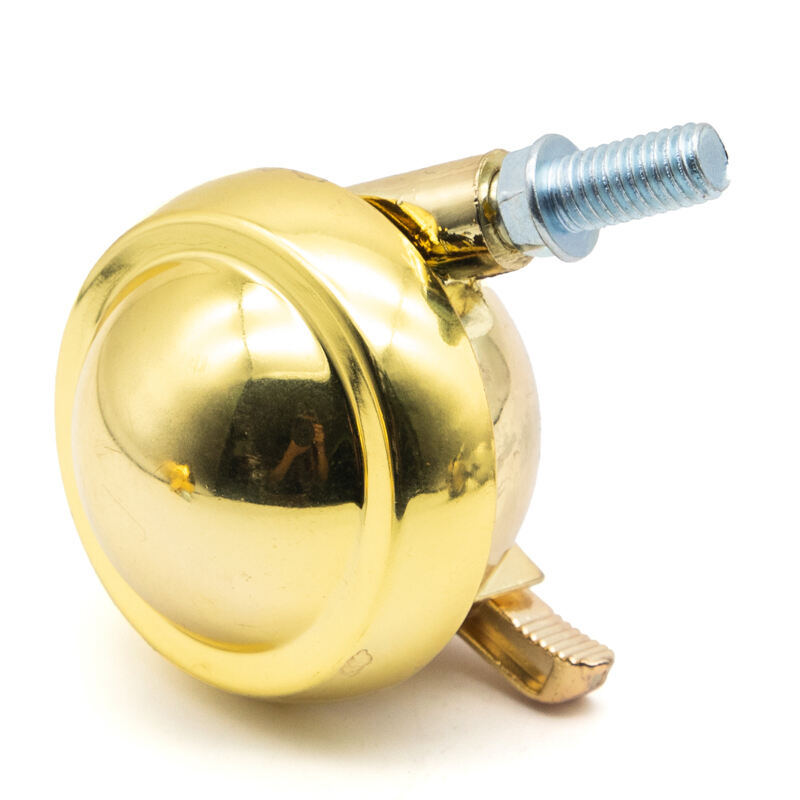
Cleaning and Inspecting Furniture Wheels for Optimal Performance
Removing Dust, Hair, and Debris to Prevent Drag and Binding
Accumulated debris transforms furniture wheels from smooth operators into stiff, inefficient movers. Dust and hair wrap around axles, while particulate matter embeds in tread grooves—increasing friction and forcing users to exert up to 40% more effort during movement (Ergonomics Today 2023). To restore performance:
- Tip furniture sideways to unload wheels
- Scrub treads with a stiff-bristled brush to dislodge embedded particles
- Use compressed air to clear hair from swivel mechanisms
- Wipe housings with microfiber cloths
Monthly cleaning prevents binding and maintains effortless mobility—especially critical in high-traffic environments where debris accumulates rapidly.
Checking for Cracks, Flat Spots, Tread Wear, and Structural Damage
Structural integrity directly impacts safety and functionality. Examine wheels monthly for:
| Damage Type | Detection Method | Risk if Ignored |
|---|---|---|
| Cracks | Visual inspection under bright light | Sudden wheel fragmentation |
| Flat spots | Roll test on hard surface | Vibrations during movement |
| Tread wear | Depth gauge measurement | Reduced traction and instability |
| Bearing damage | Auditory check for grinding sounds | Axle seizure during use |
Rotate wheels while listening for irregular noises indicating internal failures. Replace units showing deformation exceeding 3mm depth or cracks near load-bearing points immediately. Proactive inspections reduce accident risks by 57% compared to reactive maintenance approaches.
Lubricating Furniture Wheels to Eliminate Squeaks and Extend Lifespan
Best Practices for Lubricating Bearings and Swivel Mechanisms
Proper lubrication reduces friction by up to 70% in moving parts, preventing premature wear. Start by cleaning wheel bearings and swivel joints with a dry brush to remove debris—this ensures lubricant penetrates effectively. Apply lubricant sparingly using these steps:
- Rotate wheels while applying to distribute lubricant evenly
- Target pivot points where metal meets metal
- Wipe excess immediately to avoid dust accumulation
Over-lubrication attracts dirt that creates grinding paste, accelerating component failure. Maintain this routine every 3–6 months—or whenever squeaking occurs.
Choosing the Right Lubricant: Silicone vs. White Lithium for Furniture Wheels
Selecting appropriate lubricants prevents damage to wheel materials. Silicone-based options excel for plastic components and vinyl floors—they’re water-resistant, non-staining, and won’t degrade rubber. White lithium grease suits metal bearings in high-load scenarios but attracts dust on porous surfaces. Consider these factors:
| Property | Silicone Lubricant | White Lithium Grease |
|---|---|---|
| Floor Safety | Non-marking | May stain some surfaces |
| Dust Resistance | High | Moderate |
| Temperature Range | -40°F to 400°F | -30°F to 250°F |
Avoid petroleum-based oils that degrade plastics and cause swelling in rubber wheels. For mixed-material furniture wheels, silicone provides versatile protection without compromising mobility.
Diagnosing and Fixing Common Furniture Wheels Issues
Resolving Sticking or Jamming: Causes from Misalignment to Obstruction
When furniture wheels get stuck, they really limit how easy things move around and can actually scratch up floors too. The main problem comes from stuff getting caught in there - think hair strands, bits of carpet fiber, or just plain old dirt and dust. According to some research from Material Science Institute back in 2024, these little invaders cause about three quarters of wheel binding issues. Start by turning over whatever piece is giving trouble and look closely at those wheels. Got something wrapped around them? Needle nose pliers work wonders for pulling out tangled messes. If there's gritty buildup jamming things up, grab a stiff brush soaked in rubbing alcohol and give those axle points a good scrubbing. Sometimes wheels won't turn because the whole thing is out of whack somehow. Uneven weight distribution tends to warp the housing over time. Make sure all those mounting plates are sitting flat against whatever surface they're attached to. Need to fix any gaps? Just slip in some washers where hardware might have come loose. After cleaning everything up, apply a tiny bit of silicone lubricant to those swivel joints and bearings. Still feels stiff after all that? Chances are good the bearings themselves have worn down and need replacing eventually.
Stabilizing Wobbly or Fluttering Furniture Wheels During Movement
Wobbling creates uneven load distribution, accelerating tread wear. First, test each wheel’s lateral play by hand. Excessive movement indicates:
| Cause | Diagnostic Test | Solution |
|---|---|---|
| Loose stem bolts | Attempt to wiggle wheel vertically | Tighten mounting screws with hex key |
| Worn housing | Visible cracks around wheel base | Replace entire wheel assembly |
| Bent axle | Irregular rotation pattern | Install new axle or replace wheel |
Eliminate minor flutter by adjusting weight distribution—relocate heavy items toward the furniture’s center. For loaded carts exceeding 200 lbs, upgrade to dual-wheel casters with reinforced stems (Industrial Equipment Digest 2023). Always torque fasteners to manufacturer specifications using a calibrated driver to prevent future loosening.
When and How to Replace Furniture Wheels for Safety and Efficiency
Key Replacement Indicators: Excessive Noise, Rust, Load Instability, and Visible Wear
Recognizing when to replace furniture wheels prevents accidents and maintains mobility. Critical warning signs include:
- Excessive noise: Grinding or squeaking often indicates internal bearing damage beyond lubrication repair
- Rust: Corrosion compromises structural integrity, especially in steel components
- Load instability: Wobbling during movement signals axle deformation or worn swivel mechanisms
- Visible wear: Deep tread loss (>30% surface area), cracks, or flat spots reduce traction and rolling efficiency
Immediate replacement becomes essential when these symptoms appear, as continued use risks furniture damage, floor scratches, or tipping incidents costing over $500 in average repair bills (Furniture Safety Council 2023).
Selecting Replacement Wheels by Material, Load Rating, and Floor Compatibility
Choose replacement wheels using this decision framework:
| Factor | Hard Floors (Tile/Wood) | Carpets | Industrial Settings |
|---|---|---|---|
| Material | Non-marking polyurethane | Soft rubber tread | Chemical-resistant nylon |
| Load Rating | 30% above total weight capacity | 40% above weight capacity | 50% above weight capacity |
| Diameter | 2–3 inches | 3–5 inches | 2–4 inches |
Prioritize wheels with sealed bearings for dust resistance and verify stem/plate compatibility with existing mounts. For mixed-floor environments, dual-material treads (e.g., rubber–polyurethane hybrids) provide optimal versatility while protecting surfaces.
Frequently Asked Questions
How often should I clean my furniture wheels?
Cleaning your furniture wheels once a month is highly recommended, especially in high-traffic areas where debris accumulates quickly.
What lubricant should I use for my furniture wheels?
Silicone lubricants are ideal for plastic components and vinyl floors due to their non-staining and water-resistant properties, while white lithium grease is best for metal bearings under high load conditions.
When should I replace my furniture wheels?
Replace wheels when you notice excessive noise, rust, load instability, or visible wear like deep tread loss or cracks.


