
 EN
EN
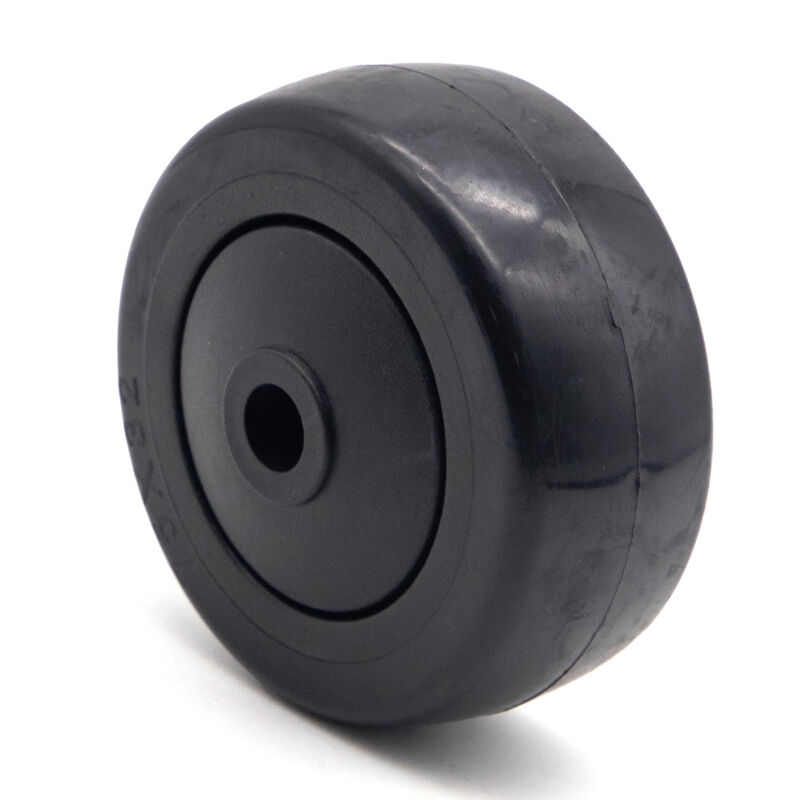
What Makes PU Wheels Ideal for High-Load Applications?
Durometer, Composition, and Structural Design Behind >1250 lbs Load Capacity
Polyurethane wheels can handle really heavy loads, sometimes over 1250 pounds each, thanks to how manufacturers carefully balance three main factors: controlling the hardness (durometer), working with specific polymer formulas, and adding structural reinforcements. The ideal hardness range for these wheels falls between 85A and 95A on the scale. This gives them good resistance against getting squashed under weight while still absorbing shocks from rough surfaces. Studies in material science show that polyurethane actually has about 2.5 times more tensile strength than regular rubber, which explains why it holds up so well in tough environments. Manufacturers also build in extra strength through features like steel hubs inside, stronger core materials, and special tread designs with ribs or contours. These design choices help spread out the force when the wheel is moving around, so no single spot gets too stressed and breaks. In factories and warehouses where other materials like nylon tend to crack when hit hard or rubber gets permanently flattened, polyurethane wheels keep performing reliably day after day.
How Dynamic Loads Differ from Static Ratings: Real-World Performance in AGVs and Material Handling Carts
The static load rating numbers we see listed for wheels, like that common 1250 lb figure, only tell part of the story about what these components can actually handle. When wheels are put through their paces in real world conditions, they face dynamic loads that often reach three times those static values because of all the stopping and starting plus bumps and uneven surfaces. Take AGVs and those heavy duty material handling carts for instance. The polyurethane wheels on these machines regularly take hits over 2400 lbs without falling apart. Just think about them rolling across those dock plates carrying around 800 lbs worth of cargo. The special properties of PU help absorb shock and vibration, cutting down on peak stresses by roughly 40% compared to harder wheel materials. Logistics companies have been tracking this stuff for years now. Their field reports show that carts fitted with PU wheels keep performing reliably well past 12,000 operating hours. That's impressive when compared to nylon wheels which tend to wear out much faster under similar tough conditions.
Top Industrial Use Cases for High-Load PU Wheels
Material Handling Systems, Automated Guided Vehicles (AGVs), and Heavy Manufacturing Carts
PU wheels rated for high loads play a vital role across tough industrial settings. Think about AGV fleets zipping through narrow warehouse corridors or manufacturing carts moving heavy castings and raw materials around the shop floor. These wheels come with non-marking treads that won't scuff up those expensive polished concrete or epoxy floors, even after countless runs over rough spots. The noise factor matters too. Places like auto assembly lines and areas next to cleanrooms really benefit from PU's ability to dampen vibrations, which can cut background noise levels down by roughly 15 dB compared to nylon alternatives. For industries under strict regulations such as pharmaceuticals or food processing, there are special PU blends designed to stand up against harsh cleaners, machine oils, and steam sterilization processes. This durability translates into real savings for maintenance budgets, with some companies reporting around 30% reductions based on industry data they've collected over time.
Premium Tread Materials: Vulkollan® and Besthane® for Extreme Wear Resistance
At the top end of polyurethane tread tech sit Vulkollan® and Besthane®, materials built specifically to handle brutal conditions including intense wear, drastic temperature changes, and harsh chemicals. These products boast tear strength that's about half again what regular PU offers, which explains why they're so popular on mining conveyor belts, steel mill transfer systems, and those heavy duty port container handling operations. Vulkollan® stays flexible even when temps drop below freezing or climb well above room temperature, something that makes all the difference in cold storage facilities or near molten metal pouring areas. Meanwhile Besthane® cuts down on rolling resistance by roughly 40 percent compared to standard PU options, meaning automated guided vehicles run longer between charges and get more work done per charge cycle. What really sets these apart though is their ability to withstand hydrolysis and solvent damage, keeping their shape and strength intact long after rubber would have broken down completely. Lab tests show very little compression set after tens of thousands of cycles under maximum load, translating to parts lasting three times longer than nylon alternatives in busy ports where equipment runs constantly.
Durability Drivers: Wear Resistance, Impact Absorption, and Service Life
Performance Under Abrasion, Shock, and Repeated Loading — Why PU Outlasts Rubber and Nylon
The durability of PU wheels comes down to three main factors that work together. Wear resistance starts with the material itself. Polyurethane has this dense structure that makes it really tough against abrasion. When tested on rough concrete surfaces, PU loses about 3 to 5 times less material compared to regular rubber. That means longer lasting wheels for industrial applications. Another big plus is how PU handles impacts. The material acts like a shock absorber at the molecular level. During those frequent collisions that happen with pallet jacks or when automated guided vehicles dock, PU wheels absorb the energy much better than nylon alternatives. Tests show this cuts down microfractures by around 40%. And let's talk about fatigue resistance. In real world conditions, Vulkollan grade PU can handle over 100,000 cycles under heavy loads without losing shape. Nylon starts showing permanent damage after just 60,000 cycles, while rubber tends to crack visibly by the 45,000 mark. All these characteristics translate into fewer unexpected breakdowns and replacements. Facility managers typically see a cost savings of 25 to 30% over five years when switching to PU wheels instead of traditional options.
PU Wheels vs. Alternatives: Load Capacity, Maintenance, and Total Cost of Ownership
Choosing wheels for heavy duty industrial gear? Polyurethane (PU) just beats out rubber, nylon, and even steel when we look at how well they work and what they cost over time. Let's talk numbers first. PU wheels can handle over 1250 pounds each weight wise, which is way beyond what rubber typically manages around 800 pounds max. Plus they absorb shocks much better than those hard nylon or steel alternatives. Now about maintenance costs. The thing is, PU stands up to wear and tear from abrasion, oils, and general damage so much better than rubber does. Industry data from 2023 shows companies replace PU wheels about 30 to 50 percent less often than rubber ones in busy material handling operations. Steel might hold its shape really well, but there's a catch. Those steel wheels send vibrations through the whole system that actually speeds up wear on bearings and frames over time. Not exactly ideal for long term operation.
Total Cost of Ownership (TCO) analysis over five years confirms PU's long-term value:
| Factor | PU Wheels | Rubber | Nylon | Steel |
|---|---|---|---|---|
| Load Capacity | >1,250 lbs/wheel | ≈800 lbs/wheel | Varies | Highest |
| Maintenance | Low (wear-resistant) | High (tears, degrades) | Moderate (cracks) | Low (but noisy) |
| Noise | Quiet | Quiet | Moderate | High |
| TCO (5-year) | $2,100 | $3,400 | $2,800 | $2,500 |
Although PU wheels carry a 15–20% higher initial investment than rubber, their extended service life, reduced downtime, and lower maintenance burden yield a 40% lower TCO. For high-load AGVs, automated racking systems, or heavy manufacturing carts, PU delivers the optimal balance of engineering performance, operational reliability, and lifecycle economics.
FAQ Section
Q1: What does 'durometer' mean in the context of PU wheels?
Durometer refers to the hardness of the polyurethane material, measured on a scale where a higher number indicates a harder compound.
Q2: Are PU wheels suitable for outdoor environments?
Yes, PU wheels can handle outdoor conditions well, as they resist wear from abrasive surfaces and can withstand temperature variations.
Q3: How do PU wheels compare to steel regarding noise levels?
PU wheels are quieter than steel wheels, making them a better choice in noise-sensitive environments.
Q4: What industries benefit the most from PU wheels?
Industries such as logistics, manufacturing, and food processing benefit from the durability and cost-efficiency of PU wheels.


