
 EN
EN
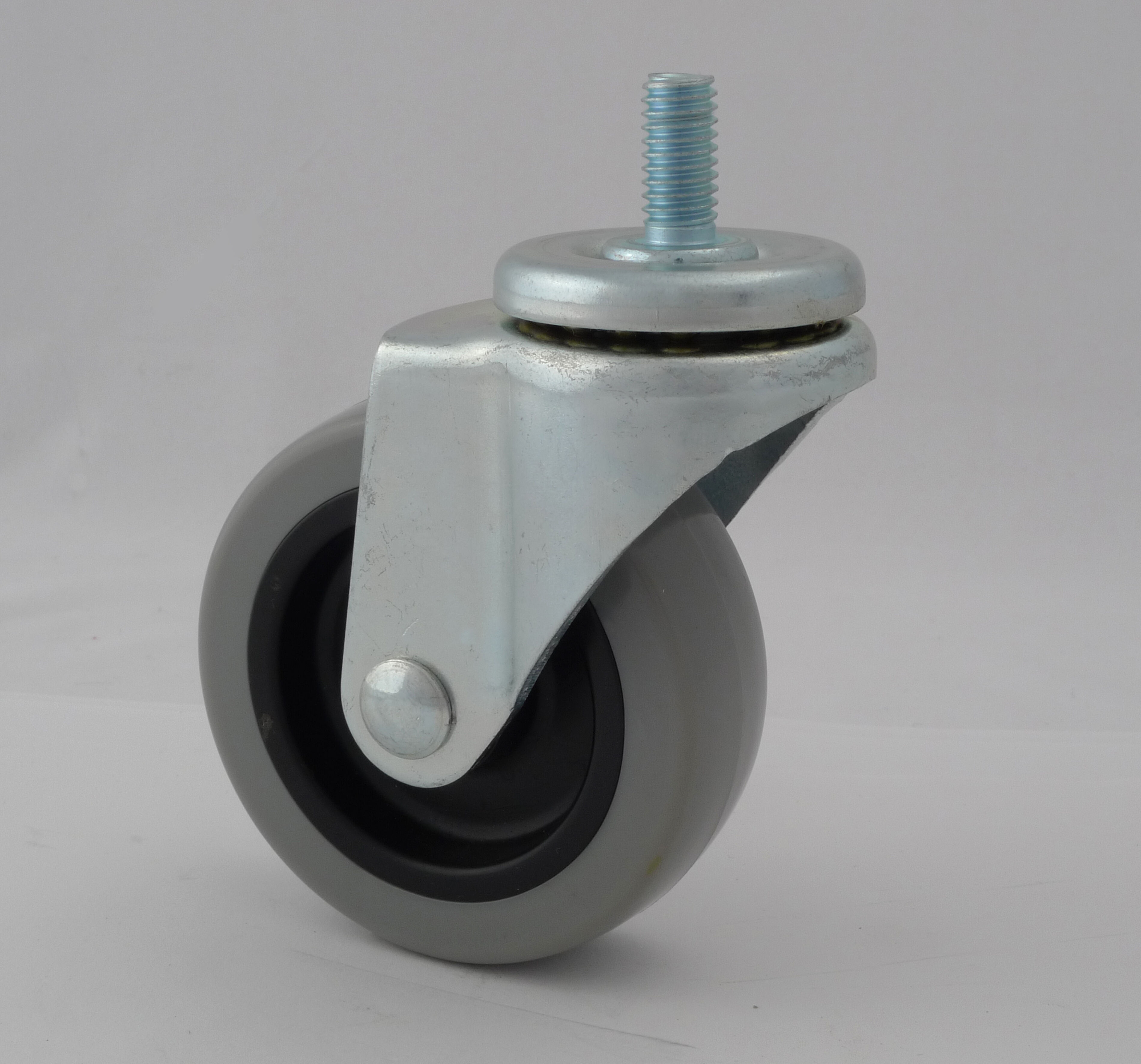
Why PU Wheels Outperform Alternatives in Material Handling
Load-Bearing Capacity: Supporting Heavy Loads Without Deformation
Polyurethane wheels spread out weight pretty evenly across their surface, which means they can handle weights over 1000 kg on each wheel without breaking down. Because these wheels keep their shape so well when loaded, there's about 30% less rolling resistance than what we see with rubber wheels. That makes pushing things around much easier on workers throughout the day. What makes PU special is how it bounces back completely after being squashed repeatedly. This keeps the wheels making good contact with the ground even when moving heavy stuff like car parts or big machines around factories. Another thing worth mentioning is that since PU wheels don't put all their force in one spot, they actually protect floors better too. Concrete surfaces stay intact longer because there's less chance of cracks forming where wheels roll over them regularly.
Abrasion Resistance: 3–5 Times Longer Service Life vs. Standard Rubber Wheels
Tests from independent sources show that PU wheels can last anywhere between 3 to 5 times longer against particulate wear compared to regular rubber wheels in busy distribution centers. The special cross linked polymer structure helps push away metal bits and sharp debris, plus it doesn't soak up moisture which tends to break down rubber over time. PU material naturally stands up better to oils, greases and various solvents found on factory floors, so there's less swelling and surface damage issues. Warehouse managers have noticed around 60 percent reduction in unexpected maintenance downtime when switching to these wheels. While they do cost more upfront, most companies find the long term savings in maintenance and replacement costs makes them worth the extra spend.
Noise Reduction: Up to 40% Quieter Operation for Ergonomic & OSHA-Compliant Facilities
The vibration damping characteristics of polyurethane cut down operational noise levels by around 40% when compared with traditional nylon or metal wheels. This means facilities can stay within OSHA's 1910.95 guidelines for workplace noise (less than 85 dB) without spending extra money on expensive soundproofing upgrades. The reduced noise level makes all the difference on busy pharmaceutical packaging lines where constant distractions are a real problem. Plus, these materials absorb floor vibrations that would otherwise mess with sensitive equipment calibration in laboratory settings. What's more, polyurethane wheels don't leave marks on those shiny epoxy coated floors common in food processing plants. This feature helps maintain HACCP standards since there's no risk of contamination from wheel residue during product movement throughout the facility.
Key Industrial Applications of PU Wheels Across High-Demand Environments
Automated Guided Carts (AGCs) and Electric Pallet Jacks: Precision, Traction, and Longevity
Polyurethane wheels have become the go to option for automated guided carts and electric pallet jacks working in cramped factory spaces that require precision. These wheels can handle substantial weight without warping or bending, which is a big plus when moving heavy loads around all day. They also last much longer than rubber counterparts since they resist wear and tear so well, sometimes lasting 3 to 5 times longer according to field tests. The smooth ride these wheels provide means less vibration gets transmitted through the machine, protecting delicate sensors and control systems from damage. That kind of stability makes sure machines follow their programmed paths accurately instead of drifting off course. For facilities running operations 24/7 with constant wheel movement, this reliability means fewer breakdowns, less time spent fixing things, and ultimately saves money on replacements over time.
Food Processing and Pharma Cleanrooms: NSF-Compliant Chemical & Sterilant Resistance
PU wheels are becoming essential in places where cleanliness is critical, such as food processing facilities and pharmaceutical cleanrooms. These wheels comply with NSF/ANSI Standard 51 for food contact surfaces because they have a non-porous surface that stops bacteria from taking hold. They also handle the harsh cleaning chemicals used every day without breaking down. Think about hydrogen peroxide solutions, bleach-based cleaners, and those strong alkaline detergents that many facilities rely on. Rubber wheels would swell or get damaged under similar conditions. Polyurethane stays the same size even after repeated high pressure washes and doesn't break down when exposed to moisture over time. Plus, they roll quietly and won't leave marks on floors. All these features help maintain strict hygiene standards required by ISO certification and align with HACCP guidelines for moving materials around safely. The floors themselves stay intact too, which saves money on replacements and repairs.
Productivity Gains Enabled by PU Wheels: Low Rolling Resistance and Durability
Polyurethane wheels really boost productivity because they have two main engineering perks working together low rolling resistance plus much longer service life compared to other materials. The way PU interacts with surfaces means both hand pushed and motorized carts require about 30% less effort to get moving than similar carts with rubber wheels. This makes it possible to haul heavier stuff faster and cuts down on the wear and tear workers experience over time. When used in automated systems, these wheels cut back on power consumption and help maintain consistent operation cycles. At the same time, polyurethane stands up remarkably well to wear and tear. Most PU wheels last anywhere from three to five times longer than alternatives before needing replacement since they resist getting worn down, deformed under pressure, or damaged by chemicals. What does all this mean? Facilities see continuous production without constant interruptions for wheel replacements, regular maintenance becomes predictable rather than emergency driven, which matters a lot for operations running at scale where timing is everything. Beyond just improving workflow efficiency, these wheels also support better workplace safety standards as mandated by OSHA regulations thanks to their smooth quiet operation that reduces noise pollution and minimizes worker fatigue.
Selecting the Right PU Wheels: Hardness (Shore A), Core Material, and Mounting Compatibility
Material handling efficiency really depends on picking the right PU wheels for the job at hand. The Shore A hardness rating tells us a lot about how these wheels will perform in practice. Softer options ranging from 70A to 85A work great where quiet operation matters or when protecting sensitive floors is important. For most warehouse environments, medium hardness compounds between 85A and 95A strike a good balance between supporting heavy loads and allowing smooth movement across different surfaces. When dealing with particularly harsh conditions or very heavy static loads, going for harder wheel formulations above 95A makes sense as they tend to last longer despite the extra stress placed upon them during operation.
Core construction further defines capability—steel cores deliver maximum strength for ultra-heavy applications but add mass; aluminum offers an optimal blend of strength, light weight, and corrosion resistance; and engineered polymer cores ensure compatibility with aggressive chemicals and sterilants.
Getting the right mounting compatibility is key for everything to work together properly. When choosing bearings for carts, it matters a lot whether they're precision ball bearings for those fast spinning applications or roller bearings when dealing with heavier static loads. Make sure the bolts fit correctly on the axle and check if the hubs can handle what they'll be subjected to during normal operation. For swivel versus fixed wheel setups, this really depends on how wide the aisles are in the facility, what kind of turning radius is needed for maneuverability, and how much control over directionality is actually required in day to day operations.
| Selection Factor | Critical Considerations |
|---|---|
| Load Capacity | Specify wheels rated at least 25% above your maximum expected load to account for shock, imbalance, and safety margins |
| Surface Compatibility | Use hard treads (95A+) on smooth, dense concrete; softer compounds (≤85A) protect epoxy, VCT, or polished floors |
| Environmental Needs | Prioritize NSF-certified PU formulations where exposure to food-grade chemicals, sterilants, or washdowns is routine |
| Mounting System | Modular designs simplify field replacements; tapered bore adapters ease retrofitting onto existing axles |
Getting the right balance in durometer, core strength, and how parts connect mechanically can cut down on rolling resistance anywhere between 15% to 30%, according to Industrial Handling Review last year. And don't forget to test things out in actual conditions before making the switch, especially if moving away from traditional materials like rubber, nylon, or cast iron. Real world trials help ensure everything works properly with existing workflows, different surfaces around the facility, and whatever maintenance routines are already in place.
FAQ
What are the main advantages of PU wheels over rubber wheels?
PU wheels offer superior load-bearing capacity, enhanced abrasion resistance, and notable noise reduction compared to rubber wheels. They last longer and do not deform under weight.
How do PU wheels contribute to safety and efficiency in workplaces?
PU wheels reduce noise pollution, require less effort to move, and are compliant with OSHA standards, thereby minimizing worker fatigue and ensuring safer work environments.
In what environments are PU wheels most beneficial?
PU wheels are ideal for automated guided carts, electric pallet jacks, food processing facilities, and pharmaceutical cleanrooms due to their durability, precision, and sterilant resistance.
Table of Contents
- Why PU Wheels Outperform Alternatives in Material Handling
- Key Industrial Applications of PU Wheels Across High-Demand Environments
- Productivity Gains Enabled by PU Wheels: Low Rolling Resistance and Durability
- Selecting the Right PU Wheels: Hardness (Shore A), Core Material, and Mounting Compatibility
- FAQ


