
 EN
EN
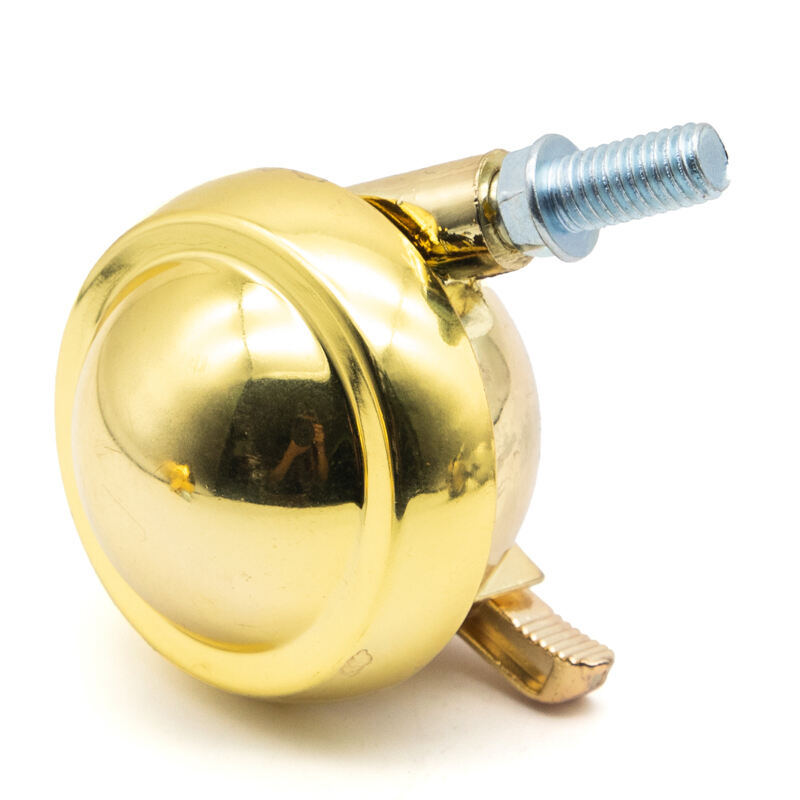
Material Matters: Matching Furniture Wheels to Floor Type and Noise Requirements
Rubber, Polyurethane, and Nylon Wheels – Performance Comparison on Hardwood, Tile, and Vinyl
Wooden floors really need something soft and silent when it comes to moving around on them. Rubber wheels work wonders for this because they soak up those little shakes and stops without leaving marks behind. When dealing with tiles, polyurethane or PU wheels strike just the right note between lasting power and keeping things quiet. They stand up pretty well against cleaning chemicals too, so they don't let all that noise travel through the house. Nylon wheels tend to do better on vinyl surfaces where keeping dirt at bay is important, but there's one downside nobody likes to hear about them. Tests show nylon actually makes about 30 percent more noise compared to rubber counterparts. Not great if silence is what we're after.
| Material | Hardwood Performance | Tile Performance | Vinyl Performance | Noise Level |
|---|---|---|---|---|
| Rubber | Excellent scratch protection | Moderate durability | Prone to flattening | Low (≤50 dB) |
| Polyurethane | High scratch resistance | Superior durability | Good debris resistance | Moderate (55–60 dB) |
| Nylon | Risk of micro-scratches | Excellent debris resistance | Optimal durability | High (≥65 dB) |
PU’s hybrid design delivers a 60% longer service life than rubber under heavy loads across mixed surfaces—making it the most versatile choice for multi-floor homes.
Soft vs. Hard Treads: How Durometer Affects Load Capacity, Rolling Resistance, and Mark Prevention
The hardness of wheel treads, measured by something called durometer, really affects how they perform. When we talk about soft treads in the 70A to 85A range, these are great at preventing those annoying floor marks on delicate surfaces such as hardwood floors or fancy vinyl tiles. But there's a tradeoff here because softer materials can't handle as much weight compared to harder ones. Hard treads above 90A work better on carpeted areas since they create less resistance when rolling around. Soft treads actually help absorb little bumps and irregularities in floors like grout lines or tiny imperfections in the subfloor, which means people need to push their carts with about 40% less effort on rougher surfaces. If someone is dealing with tile or concrete floors though, going for medium hardness between 85A and 90A seems best. These polyurethane wheels stop most marks without sacrificing too much strength. Just keep in mind that every time the durometer goes up by ten points, the noise level increases somewhere around 15 decibels. That extra sound might be something worth thinking about especially if working in spaces where quiet matters, like offices or homes where peace and quiet is important.
Caster Type & Design: Swivel, Rigid, and Specialty Wheels for Residential Maneuverability
Picking out the right furniture wheels isn't just about looks it actually depends on knowing what kind of caster works best for different situations. Swivel casters can turn all the way around 360 degrees which makes them great when moving things like sofas through narrow spots or getting past those awkward room dividers we all have. On the other hand rigid or fixed casters only go straight ahead and back they provide much better stability when something needs to stay aligned properly like those heavy bookshelves or display units that tend to tip over if not positioned correctly. According to some tests done in the industry these rigid casters can handle about 15 percent more weight compared to similar swivel ones because their design is simpler and distributes weight more evenly across the wheel base.
Swivel vs. Rigid Casters – When to Prioritize 360° Agility vs. Straight-Line Stability
| Swivel Casters | Rigid Casters | |
|---|---|---|
| Maneuverability | 360° rotation | Linear movement only |
| Best For | Frequent direction changes | Heavy, stable loads |
| Load Capacity | Up to ~300 lbs/wheel | Up to ~500 lbs/wheel |
| Floor Contact | May drift if unbraked | Consistent path |
| Choose swivels for daily mobility needs; opt for rigid where precision placement and long-term stability matter most. |
Twin-Wheel and Ball-Bearing Casters – Enhancing Smoothness and Weight Distribution for Heavy Home Furnishings
Using twin wheels basically doubles the contact area with the floor, which spreads out heavy loads instead of letting them sink in. This matters a lot when moving things like grand pianos, fully stocked cabinets, or those heavy duty shelves that weigh over 800 pounds. The wheels with built-in ball bearings cut down on resistance quite a bit compared to regular sleeve bearings. We're talking about making it much easier to push across different surfaces like thick carpets, thresholds between rooms, or even those short pile carpets found in offices. What this all means is less strain on whoever's doing the moving and floors stay intact since there aren't these sharp pressure spots digging into them. Especially noticeable difference on engineered wood floors or those thinner luxury vinyl tiles that can get damaged so easily.
Installation Fit: Stem Mount Compatibility and Precision Sizing for Existing Furniture
Standard Stem Dimensions (7/16", 5/16", Threaded vs. Grip-Neck) and Retrofit Best Practices
Getting the right size stem makes all the difference when it comes to stability and lasting performance. Most standard sizes like 7/16 inch and 5/16 inch will work with factory installed sockets, which helps prevent annoying wobble and keeps things from wearing out too fast. For heavier stuff like big cabinets or entertainment units, threaded stems are the way to go since they screw right into those pre-drilled holes and hold everything securely in place. Then there are grip neck stems that work great in smooth holes without threads. They just snap in with those ridges creating enough friction to stay put. These are super handy for lighter furniture items such as chairs or plant stands where nobody wants to deal with tools during assembly.
When updating old furniture with new casters, start by getting accurate measurements of the socket hole size and depth. A good quality caliper works best, though a digital tape measure will do in a pinch. The next step is matching the right stem type to what was originally there. If the hole has threads, go with a threaded stem. For those without threads, grip neck stems are the way to go. Before actually installing them permanently, give everything a test run with whatever weight the furniture normally carries. This helps catch any issues with wheels not rolling smoothly or leaving marks on floors. When dealing with threaded stems, make sure they're tightened all the way down. Adding a small amount of thread locker like Loctite 222 can save headaches later when things start coming loose after months of use. Following these basic guidelines reduces mistakes during installation and means those casters will last much longer than if rushed through the job.
Size & Geometry: How Wheel Diameter, Tread Width, and Load Rating Impact Real-World Furniture Mobility
1"-3" Wheels Demystified: Small-Diameter for Tight Spaces vs. Larger Wheels for Carpets and Thresholds
The size of wheel really matters when it comes to getting around in practical situations. Small wheels measuring between 1 inch to 1.5 inches work best in tight spots. These little wheels are great for moving through narrow doorways or areas filled with lots of furniture where there's barely enough space to maneuver. On the flip side, bigger wheels ranging from 2.5 inches up to 3 inches handle thick carpets and different types of flooring much better. People who use these larger wheels notice they need to push about 40 percent less effort on medium pile carpets. Plus, these wheels glide smoothly across door thresholds and those annoying expansion gaps between floors without causing any problems.
Tread width complements diameter for effective load distribution. Wider treads (≥1.5") better disperse weight for heavy items like pianos or refrigerators, preventing localized floor indentation—especially critical on floating floors or thin vinyl planks. Always verify per-wheel load ratings exceed your furniture’s total weight by at least 25%. For example:
| Furniture Type | Recommended Load Rating per Wheel | Minimum Wheel Diameter |
|---|---|---|
| Standard armchair | 75–100 lbs | 1.5" |
| Full-size sofa | 125–150 lbs | 2" |
| Grand piano section | 300+ lbs | 3" |
Prioritize larger diameters when frequently transitioning between hard flooring and rugs. Smaller wheels suit lightweight furniture in space-limited rooms where under-furniture clearance is constrained.
Frequently Asked Questions (FAQ) About Furniture Wheels
What are the key considerations when choosing wheels for furniture?
Consider factors such as the type of floor, noise requirements, and load capacity. Different materials and caster designs offer varying benefits depending on these factors.
Why is durometer important in selecting furniture wheels?
Durometer measures the hardness of wheel treads, impacting mark prevention, load capacity, and rolling resistance. It helps determine suitability for different flooring types.
How does wheel size affect furniture mobility?
Wheel size influences maneuverability, with smaller wheels working better in tight spaces and larger wheels offering easier movement on carpets and over thresholds.
What are the benefits of using twin-wheel and ball-bearing casters?
Twin-wheel casters distribute weight more evenly, while ball-bearing casters reduce rolling resistance, enhancing smoothness when moving heavy furniture.
How do stem types affect caster installation?
Stem types such as threaded and grip-neck impact compatibility with furniture sockets, influencing stability and ease of installation.
Table of Contents
- Material Matters: Matching Furniture Wheels to Floor Type and Noise Requirements
- Caster Type & Design: Swivel, Rigid, and Specialty Wheels for Residential Maneuverability
- Installation Fit: Stem Mount Compatibility and Precision Sizing for Existing Furniture
- Size & Geometry: How Wheel Diameter, Tread Width, and Load Rating Impact Real-World Furniture Mobility
- Frequently Asked Questions (FAQ) About Furniture Wheels


