
 EN
EN
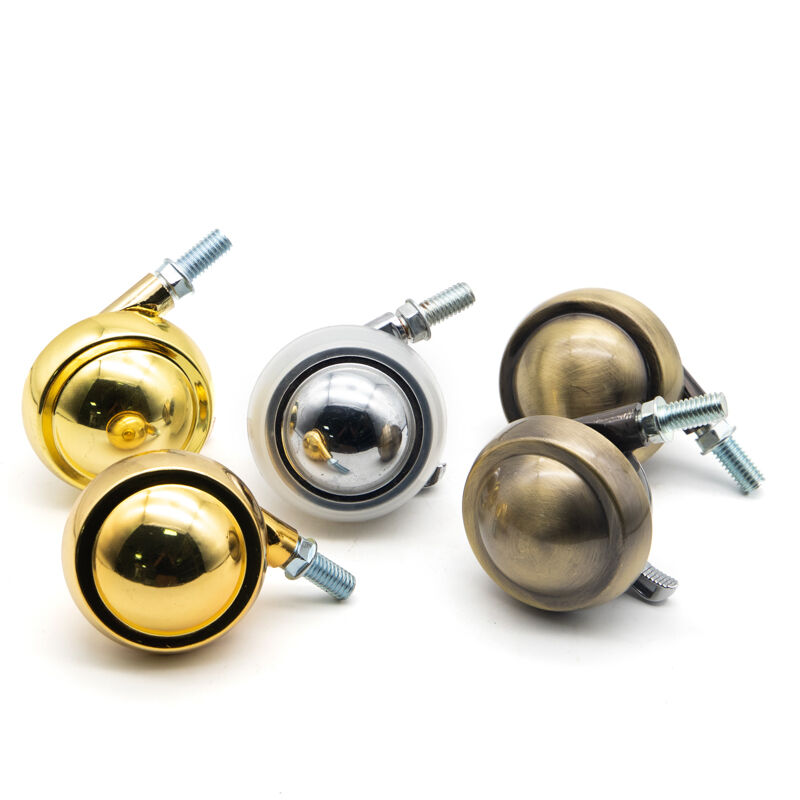
Match Load Capacity and Safety Margins to Your Warehouse Workflow
Calculating Dynamic Load Requirements: Pallet Weight, Acceleration, and Ramp Angles
Getting dynamic load calculations right can save trolley wheels from breaking down early because they account for actual forces acting on them, not just what's sitting still. Start by figuring out the full weight of the pallet including all its packaging materials first. Then don't forget those acceleration forces when the cart starts moving or comes to a stop suddenly these usually tack on about 20 to 30 percent extra load during quick direction changes. Steeper ramps create even bigger problems for wheels. Even a modest 5 degree angle increases strain by around 18%, and going up to 10 degrees almost doubles the stress on components. Take a common scenario where someone moves a 500kg pallet up a 7 degree slope multiple times with lots of stopping and starting along the way. The wheels need to handle at least 800kg capacity under these conditions. Industry reports indicate that incorrect load assessments are responsible for roughly one third of all wheel failures in busy warehouses and manufacturing plants where equipment gets constant use.
Why a 3× Static Load Rating Is Non-Negotiable for Long-Term Trolley Wheel Reliability
The 3 times safety margin against static loads helps warehouses deal with all sorts of unexpected problems that slowly wear down those trolley wheels. When pallets drop unexpectedly, they hit the floor with force about 2.5 times what we normally measure. Floors aren't always flat either, so some wheels end up carrying way more weight than others sometimes as much as 40 percent extra on certain spots. Looking at industry data shows something interesting too wheels that don't meet this 3x standard tend to break down around 68 percent quicker in places where the concrete is cracked or there's lots of debris lying around. And let's not forget about the changing weights when loading different products. This safety factor matters a lot especially for things like car parts or boxes of drinks where the density varies so much from one shipment to another.
Select Trolley Wheel Material for Durability, Floor Protection, and Operational Environment
Polyurethane vs. Nylon: Trade-offs in Wear Resistance, Noise Reduction, and Concrete Floor Compatibility
When deciding between polyurethane and nylon materials, what matters most depends on what the application needs. Polyurethane is great at cutting down noise levels indoors, making it ideal for places where quiet operation counts. Plus, it won't scratch concrete floors because of that tough, non-marking surface. On the other hand, nylon stands up better to rough conditions. We've seen it hold up far longer in factories where there's constant contact with abrasive materials or chemicals like oils and solvents. The difference really becomes clear when looking at how each material performs over time in different work environments.
| Attribute | Polyurethane | Nylon |
|---|---|---|
| Wear Resistance | Moderate, ideal for smooth surfaces | High, best for rough or debris-heavy areas |
| Noise Reduction | Excellent, quiet operation | Poor, louder on hard floors |
| Concrete Compatibility | Good, minimizes floor damage | Excellent, handles heavy loads without cracking |
Polyurethane is optimal for noise-sensitive or indoor logistics; nylon suits heavy-duty industrial zones with harsh conditions. Studies show polyurethane treads last 20% longer in controlled environments, but nylon outperforms under extreme mechanical stress.
When Pneumatic or Gel-Filled Trolley Wheels Justify Higher Maintenance for Shock Absorption
When dealing with bumpy surfaces like cracked concrete or outdoor yards, pneumatic or gel filled wheels become essential for absorbing shocks. These wheels help protect what's being transported while cutting down on operator fatigue by around 30% when compared to solid alternatives, which makes them great for moving delicate items over rough ground. The downside though is these wheels need more attention than others do. Monthly pressure checks and fixing punctures become part of regular maintenance because they tend to leak or wear out faster. For places with lots of vibration such as construction zones or older warehouses, most people still find it worth the extra work since the improved shock absorption really matters there. Experience shows that pneumatic wheels manage those tricky floors better than anything else, so if keeping things stable and protecting floors is important, these wheels make sense despite the added maintenance time.
Optimize Bearing Type and Wheel Geometry for Medium-to-Heavy-Duty Trolley Wheel Performance
Sealed Ball Bearings vs. Tapered Roller Bearings: Field Data on Mean Time Between Failures (MTBF)
Selecting the optimal bearing type directly impacts trolley wheel longevity in industrial settings. Field studies reveal distinct MTBF patterns:
| Bearing Type | Load Handling | Contamination Resistance | Typical MTBF* |
|---|---|---|---|
| Sealed Ball Bearings | Moderate | High | 8,000 hours |
| Tapered Roller Bearings | High | Moderate | 12,000+ hours |
*Mean Time Between Failures in industrial environments
Tapered roller bearings handle much heavier loads than standard options, especially when dealing with things like pallet impacts during sudden stops. Their conical design spreads out the weight better, which means these bearings last about half again as long as ball bearings under similar heavy conditions. On the other hand, sealed ball bearings work really well in places where dirt and dust are common problems, such as busy loading docks. The sealing keeps unwanted particles from getting inside and causing early failure. When looking at trolleys that move over 800 kilograms each day, most industry experts recommend going with tapered models even though they cost more upfront. Studies show these can cut down on how often replacements are needed by around one third. Choosing the right type of bearing depends heavily on what kind of weights need to be supported and what sort of environment it will face day after day.
Size and Configuration: How Trolley Wheel Diameter, Width, and Mounting Affect Maneuverability and Ergonomics
Diameter Guidelines: 100–150 mm for Tight Aisles, ≥160 mm for Cracked or Uneven Concrete Floors
The size of trolley wheels makes a real difference in how well they work and how tired operators get. When working in warehouses where the aisles are really tight, below about two meters across, going for smaller wheels between 100 and 150 mm actually helps a lot with getting around corners. These little wheels cut down on the turning space needed by roughly 35% compared to bigger ones, which means staff can navigate past those storage racks without so much hassle. But things change when dealing with cracked or bumpy floors. That's when wheels need to be at least 160 mm in diameter. Bigger wheels just handle these rough spots better, making it easier to push or pull loads since they require about 25% less effort overall. People who study material handling have found that larger wheels don't get stuck as easily on damaged concrete floors either, plus they keep the load stable too. So pick wheel sizes based on what kind of floor is most common in your facility. Narrow areas call for nimble small wheels, whereas rougher ground needs bigger wheels that can roll right over obstacles.
2 Fixed + 2 Swivel vs. 4 Swivel: Balancing Turning Radius, Lateral Stability, and Operator Fatigue
How wheels are arranged makes a big difference in how equipment handles and feels to operate. When we talk about 2 fixed plus 2 swivel wheels, this setup gives better side-to-side stability when moving heavy stuff around, so things don't wander off course while going straight down those long warehouse aisles. Operators actually need to correct their direction about 40% less often with this arrangement, which cuts down on tiredness over time. The downside? These machines take up roughly 1.5 times more space when making turns compared to ones where all four wheels can pivot. On the flip side, having four swivel wheels lets equipment make those tight zero-radius turns, perfect for busy loading areas or spots where workers need to move in multiple directions constantly. But there's a catch too – these setups require almost constant hand adjustments from the driver. Warehouse staff consistently mention feeling about 30% more exhausted after full shifts operating all-swivel configurations. Most facilities find that mixing wheel types works best overall. Save the fully swivel models for specific areas where they really need that extra maneuverability, like sorting stations or tight storage corners.
FAQ
What is the importance of dynamic load calculations for trolley wheels?
Dynamic load calculations are crucial for ensuring the longevity of trolley wheels as they account for actual forces acting on them, including acceleration forces and stresses encountered during movement and direction changes.
Why is a 3x static load rating critical for trolley wheel reliability?
A 3x static load rating ensures that trolley wheels can handle unexpected strains and uneven weight distribution, prolonging their lifespan in environments where surfaces may not be perfectly flat.
What are the benefits of polyurethane wheels compared to nylon?
Polyurethane wheels are better suited for indoor use, offering noise reduction and protection against floor damage, while nylon wheels perform well in harsh conditions with high wear resistance.
When should pneumatic or gel-filled wheels be used?
Pneumatic or gel-filled wheels are ideal for environments with bumpy surfaces, as they provide excellent shock absorption and help protect transported items and reduce operator fatigue.
How do wheel size and configuration affect trolley maneuverability?
Wheel size impacts maneuverability, with smaller wheels being more suitable for tight aisles and larger wheels providing stability on uneven surfaces. Wheel configuration, such as using combinations of fixed and swivel wheels, affects turning radius and operator fatigue.
Table of Contents
- Match Load Capacity and Safety Margins to Your Warehouse Workflow
- Select Trolley Wheel Material for Durability, Floor Protection, and Operational Environment
- Optimize Bearing Type and Wheel Geometry for Medium-to-Heavy-Duty Trolley Wheel Performance
- Size and Configuration: How Trolley Wheel Diameter, Width, and Mounting Affect Maneuverability and Ergonomics
-
FAQ
- What is the importance of dynamic load calculations for trolley wheels?
- Why is a 3x static load rating critical for trolley wheel reliability?
- What are the benefits of polyurethane wheels compared to nylon?
- When should pneumatic or gel-filled wheels be used?
- How do wheel size and configuration affect trolley maneuverability?


