
 EN
EN
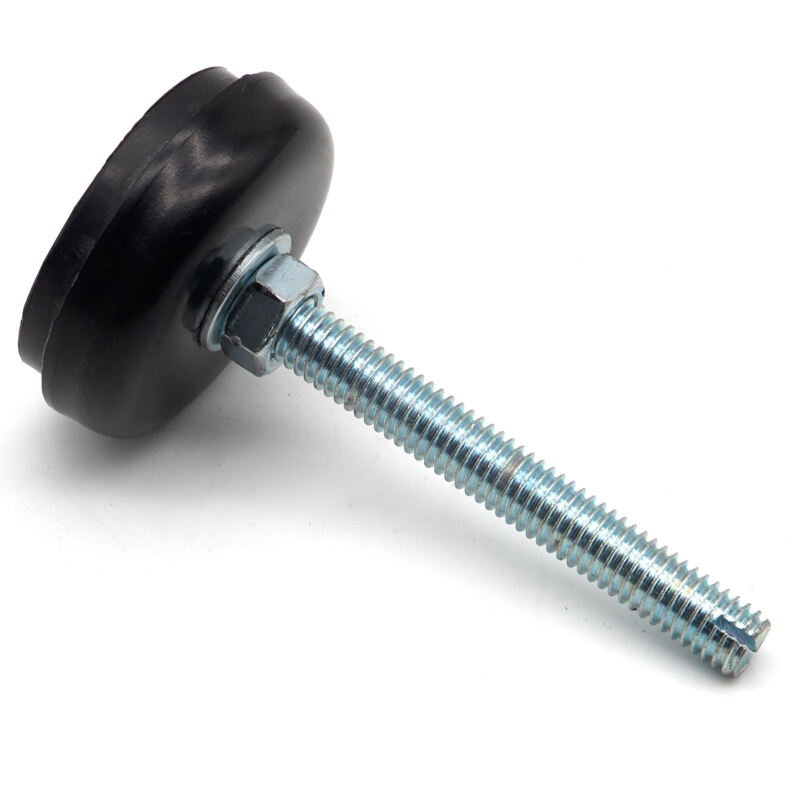
Understanding the Height Adjustment Range of Adjustable Leveling Feet
What Is the Height Adjustment Range in Adjustable Leveling Feet?
When we talk about height adjustment range, we're basically looking at how far up or down a leveling foot can move vertically to keep equipment stable on different surfaces. Most manufacturers list this spec in millimeters somewhere between 20mm and 100mm typically. The actual number tells us what kind of floor problems these feet can handle. If the range is pretty wide, then they work great in factories where floors aren't always perfect. But when things need to be super precise, like in labs or hospitals with sensitive medical gear, those smaller adjustment ranges make more sense because they offer finer control over positioning.
How the Adjustment Mechanism Works in Adjustable Leveling Feet
Adjustable leveling feet typically work through a threaded stem system. Turn that stem clockwise and the foot extends outward, go counterclockwise and it pulls back in. For heavier applications, manufacturers usually add locknuts or those little jam nuts that keep everything fixed once set, so things don't shift around when weight is applied. When dealing with machines that shake a lot, like most industrial equipment does, stainless steel options become really important. These come with special anti-vibration pads underneath that make all the difference for keeping things stable and properly aligned even when the whole setup is constantly moving around during normal operations.
Key Measurements: Thread Diameter, Length, and Total Extension
Three core dimensions determine performance and compatibility:
| Measurement | Impact on Functionality | Typical Range |
|---|---|---|
| Thread Diameter (M) | Determines load capacity and stability | M8 to M24 |
| Thread Length | Affects maximum extension before instability | 30mm to 120mm |
| Total Extension | Total height adjustment capability | 20mm to 150mm |
A 2023 machinery stability study found that undersized thread diameters (below M12) failed 23% faster under dynamic loads than larger-threaded counterparts, highlighting the importance of proper sizing.
Typical Height Adjustment Ranges Across Standard Models
Most standard swivel base leveling feet give around 25 to 80 mm of height adjustment, though some heavy duty versions meant for welding onto equipment can go all the way up to 150 mm. For specialized applications like theater stages or medical equipment, there are even more precise options available that adjust in tiny fractions of a millimeter. When picking out leveling feet for any application, it's important to consider not just what works today but also possible changes down the road. The numbers back this up too – studies show that well over half of all machine moves need at least 40 mm of adjustment space, which makes sense when thinking about how floors settle and shift over time.
Critical Factors Affecting Adjustable Leveling Feet Selection
Thread Size and Mounting Compatibility
The size of a thread has a big impact on how stable things stay. Big threads like M16 through M24 spread out weight much better when dealing with heavy equipment, whereas the smaller ones from M6 to M12 work just fine for stuff that isn't so heavy, such as office chairs or store displays. According to a recent industry check in 2023, nearly seven out of ten installation problems came down to threads that didn't match up properly between whatever was being attached and where it went. Before putting anything together, take a moment to double check those ISO or metric standards. Getting this right prevents frustrating cross threading issues and makes sure everything sits level without putting uneven stress on any part of the setup.
Load Capacity Requirements by Application
The load requirements can differ quite a bit depending on what equipment we're talking about. Medical devices generally need around 200 to 500 kilograms per foot, while heavy duty industrial presses often demand capacities exceeding 2000 kg. A lot of problems come from not properly accounting for dynamic forces. These include vibrations from CNC machines or movement along conveyor belts. According to various mechanical integrity reports, this oversight actually causes about one quarter of all early failures in leveling feet components. When dealing with unexpected shocks, ongoing vibrations, or changing weights during operation, most experienced engineers recommend adding at least a 25 percent buffer to basic load calculations. This extra margin helps prevent costly breakdowns down the line.
Environmental Conditions and Material Durability
Stainless steel grades like AISI 304 and 316 stand out for their ability to resist corrosion much better than zinc-plated options. In harsh chemical settings or near saltwater, these steels can last anywhere between 12 to 15 times longer before showing signs of wear. When dealing with really extreme temps, say down to minus 40 degrees Celsius all the way up to 300 degrees, TPU sleeves made from thermoplastic polyurethane keep their grip and stay flexible without breaking down over time. The key thing when choosing materials is considering what they'll be exposed to day after day. Think about factors like damp conditions, contact with various chemicals, sunlight exposure, or repeated heating and cooling cycles. Making smart choices here helps ensure parts last as long as possible in their intended applications.
Floor Type and Surface Stability Considerations
For concrete floors, it makes sense to go with leveling feet that have wide bases around 50mm or bigger. This helps stop them from sinking into the floor or creating those pesky point load issues. When dealing with smooth surfaces such as tiles or vinyl flooring, rubber tips on the feet really help grip better and cut down on slipping hazards. Now if we're talking about rough ground or uneven areas, swivel base feet become essential. These special feet can handle tilts of about 30 degrees, which cuts stress points by roughly 40 percent when compared against regular fixed feet designs. The result? Better overall stability for whatever equipment sits on top plus longer life span before things start wearing out too fast.
Types of Adjustable Leveling Feet and Their Adjustment Capabilities
Threaded Stem Leveling Feet: Precision and Adjustable Range
Most threaded stem leveling feet work with a simple screw system that lets users adjust height pretty precisely. Standard models typically give around 10 to 50 mm of adjustment space, which covers most industrial needs. What makes these feet really useful is how finely they can be adjusted sometimes down to just half a millimeter. That kind of precision matters a lot when setting up things like optical tables or delicate instruments where even tiny movements count. A recent look at what's happening in factories showed something interesting about these threaded stems. About four out of five precision manufacturing shops have switched to them because they offer consistent results within about 0.1 mm and fit nicely with common mounting sizes from M8 all the way up to M24.
Grip-Stem vs. Weld-On Styles for Industrial Applications
The grip stem feet come with those textured shafts that let people adjust them without needing any tools at all, which makes these really handy when working in cramped areas or on systems that need constant readjustment like conveyor belts. Most models give about 15 to 30 millimeters worth of movement range. Weld on leveling feet are quite different though. These bad boys are meant for permanent installation on big heavy equipment such as the massive presses found in steel mills, capable of holding weights around 5,000 pounds or roughly 2,268 kilograms. What sets them apart is their solid base plate construction that works best in places where there's lots of vibration going on because nothing moves around once they're set.
Swivel Base vs. Fixed Base Designs and Leveling Flexibility
Swivel base feet can handle angular deviations of around 20 degrees, which makes them really important when dealing with those uneven factory floors that sometimes slope at angles close to 22%. The way these bases articulate helps reduce stress on specific points and creates better overall contact between equipment and floor surfaces. On the other hand, fixed base models offer maximum stability with zero degree tilt, so they don't move side to side much. This matters a lot in places like semiconductor cleanrooms where even tiny movements matter more than being able to adjust to different floor conditions. Both kinds of bases work within standard adjustment ranges from about 25 to 100 millimeters, and most manufacturers stick to ISO certified dimensions for their products anyway.
Extended-Range Specialty Feet for High Clearance Needs
When equipment needs serious ground clearance, extended range leveling feet come into play. They typically use telescoping stainless steel tubes or modular extensions to get that extra lift, sometimes over 150mm total. We see these in places like stage lighting setups, seismic isolation platforms for sensitive equipment, and those precision alignment systems in aerospace work. The good news is custom builds can handle loads up to around 10,000 pounds or 4,536 kilograms. Most have those dual locking collars that keep everything from shifting once set. Why does this matter? Well, in jobs where calibration matters a lot, something as small as a 0.01 degree angle change can throw off whole systems. That's why getting the positioning right from day one is so important for these specialized applications.
All technical specifications referenced comply with ISO 9001:2015 standards for industrial leveling components.
Application-Specific Use Cases for Adjustable Leveling Feet
Industrial Machinery: Ensuring Stability with Proper Height Range
Leveling feet that can be adjusted play a critical role in keeping CNC machines, hydraulic presses and conveyor systems stable on the shop floor. When these industrial workhorses get out of alignment, things start going wrong fast – production slows down and there's always that nagging worry about potential safety issues. The heavy duty versions featuring those M16 to M24 threaded stems usually offer around 40 to 80 millimeters of vertical adjustment range. This helps compensate for those inevitable uneven spots in factory floors while still holding up under serious weight – some models can handle nearly 1800 kilograms per individual foot! Swivel base options stand out because they cut down on vibrations transmitted through the machinery by roughly two thirds compared to regular fixed mounts. This makes quite a difference when precision matters most. And let's not forget about grip stem feet with their serrated shaft design. These bad boys stay put even during intense high torque operations where standard feet might just loosen up mid run and cause all sorts of problems.
Commercial Furniture: Balancing Aesthetics and Adjustability
Low profile leveling feet have become essential in office layouts and retail stores where they blend right into modern workstations, displays, and shelving systems without drawing attention. The bases made from nylon or polypropylene materials typically give around 10 to 30 millimeters of height adjustment, which keeps everything aligned even when moving between different flooring surfaces like carpet and tile. Rubber dampers built into these feet cut down on noise levels by approximately 30 to 40 decibels, making workplaces and shopping areas noticeably quieter for everyone involved. What makes them particularly useful is the quick adjust feature that lets staff change configurations effortlessly without needing any special tools, while still maintaining pretty good levelness within half a degree despite all sorts of uneven floors found throughout commercial spaces.
Medical and Laboratory Equipment: Precision Leveling Demands
MRI scanners and spectrophotometers need incredibly precise adjustments, sometimes down to just 0.01 to 0.05 millimeters. That kind of fine control is absolutely necessary when dealing with sensitive measurements. The equipment is typically built from stainless steel because it stands up well against chemicals and cleaning agents in environments that get sanitized regularly. Most modern devices come equipped with dual stage locks that keep everything firmly in place throughout lengthy experiments. They also feature special anti vibration components to reduce unwanted noise that could mess up readings. These design elements help maintain accuracy levels around 5 micrometers in analytical laboratories where even tiny deviations matter a lot.
How to Choose the Right Adjustable Leveling Feet for Your Needs
Step-by-Step Guide to Measuring Required Height and Thread Specifications
Start with checking what vertical compensation the equipment actually needs. Grab a good quality level and check those floor inconsistencies first. Most industrial sites have anywhere from 10 to 40 mm differences across floors according to recent studies we've seen. Next step is making sure the thread size matches up. Standard sizes range between M10 and M24 so double check if these fit with where things need to go. When dealing with really important installations though, it pays off to measure the shank length carefully with digital calipers. Getting this right means proper contact between parts and better weight distribution throughout the system. Wrong measurements can really mess up the whole structure over time.
Matching Adjustment Range and Load Capacity to Your Equipment
A recent 2023 study on material handling found that nearly 4 out of every 10 leveling foot failures happen because people push past the weight limits when adjusting them. Before making any changes, it's essential to check what the manufacturer says about load capacity. Take note that something like a stainless steel foot might be good for 800 kg at 30 mm extension, but realistically will probably handle around 500 kg if there's movement involved. For places where vibrations are common, look for feet with those extra secure double locking nuts. And don't forget to add about 5% more strength buffer than what calculations suggest just to be safe. This small precaution makes all the difference for lasting performance.
Common Mistakes to Avoid When Selecting Adjustable Leveling Feet
- Ignoring thread pitch variations: M12x1.75 threads will not engage properly with M12x1.5 receptacles, risking damage and failure
- Prioritizing maximum height over stability: Extending a foot beyond 70% of its range reduces lateral rigidity by up to 40%
- Overlooking material degradation: Aluminum feet degrade three times faster than nylon-reinforced alternatives in corrosive chemical environments
FAQ
What factors should be considered when selecting adjustable leveling feet?
When you select adjustable leveling feet, you need to consider thread size, load capacity, environmental conditions, floor type, and surface stability to ensure they fit the specific application requirements and enhance the equipment's performance.
How do environmental conditions affect the durability of leveling feet?
Environmental conditions like moisture, exposure to chemicals, sunlight, or extreme temperatures can impact the durability of leveling feet. Stainless steel materials generally offer better resistance to corrosion compared to zinc-plated variants, and thermoplastic polyurethane sleeves provide flexibility in extreme temperatures.
What is the typical adjustment range for industrial leveling feet?
The typical adjustment range for industrial leveling feet often falls between 25mm and 80mm, with heavy-duty variants offering up to 150mm. Applications requiring high precision might require finer adjustment capabilities down to fractions of a millimeter.


