 EN
EN
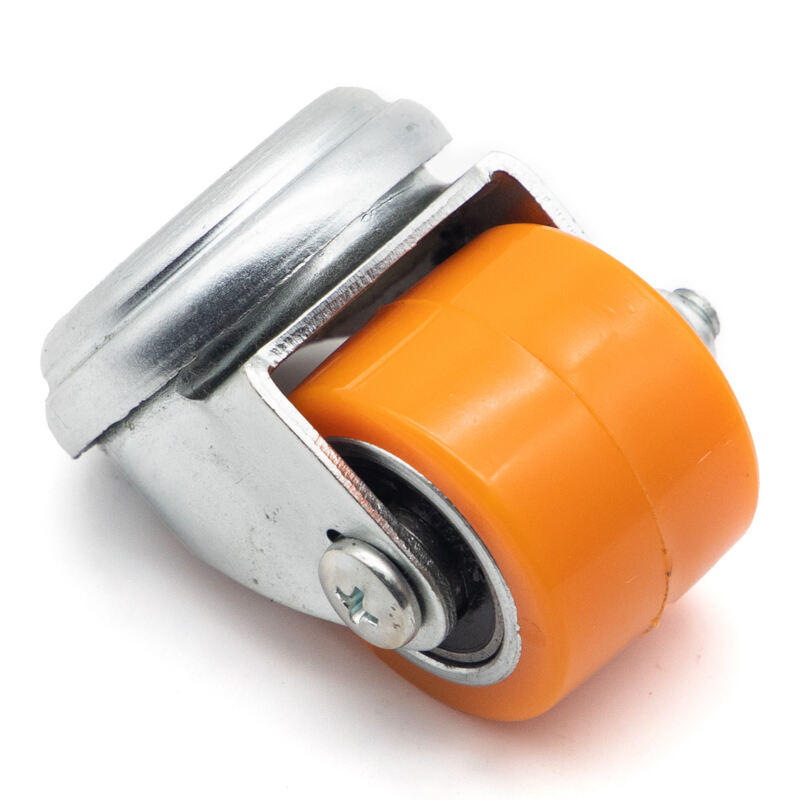
איך פועלים גלגלים מסתובבים: מכניקה ורכיבים מרכזיים
מה הם גלגלים מסתובבים?
גלגלים מסתובבים הם רכיבי ניידות הכוללים גלגל מסתובב המורכב על טריז מסתובב, המאפשרים תנועה של 360 מעלות. בניגוד לגלגלים קשיחים, שזזים רק בקו ישר, הגלגלים המסתובבים מתאימים דינמית לאילוצי מרחב – מה שעושה אותם אידיאליים לריהוט, עגלות תעשייתיות ורובוטיקה הדורשים ניווט זריז.
המדע מאחורי הסיבוב של 360 מעלות
היכולת להסתובב בחופשут נובעת משני אלמנטים מרכזיים:
- מיסבים מסתובבים : שבלונות כדוריים או חרוטיים ממזערים את החיכוך בין הלוח העליון לאוכף, ומאפשרים סיבוב חלק.
- הפצה של עומסים : דקן מרכזי מבטיח הפצה אחידה של המשקל, ומונע נעילה במהלך פניות. דגמים עמידים לרוב כוללים מסילות כדור כפולות כדי לשמור על יציבות תחת עומסים העולים על 1,000 רת' (Industrial Equipment Journal, 2023).
אנטומיה של גלגל קסטר: אוכף, חיבור עליון ולב הגלגל
| רכיב | פונקציה | שיקולים חומריים |
|---|---|---|
| אוכף (יוק) | מחזיק את הגלגל ומחבר לחיבור העליון | פלדה לעמידות, ניילון להתנגדות לאש ||||| |
| חיבור עליון (לוח עליון) | מתקן את ה-CASTER לציוד | קומפוזיטים מחוזקים או מתכת דקורה |
| לב הגלגל | קובע את היכולת לשאת עומס ואת הא grip | פוליאוריתן להפעלה שקטה, גומי לאחיזה |
מנועי סיבוב כפולים ויתרונות בקרת כיוון
מערכות סיבוב כפולה כוללות שכבת גלילים נוספת כדי לשפר את הניידות במרחבים צפופים. עיצוב זה מפחית את 'רעידת הגלגל' הנראית בדגמים בעלי גליל יחיד, ומביא להעברות כיוון חלקות יותר ב-27% בבדיקות אוטומציה של מחסן (Logistics Tech Review, 2024). מערכות אלו מועדפות בתעשיית התעופה ובתעשייה האוטומобильית להובלת רכיבים רגישים ללא זווית לא תקינה.
סוגים ושוני פונקציונליים של גלגלים ניידים למגוון צרכים
סיבוב סטנדרטי לעומת גלגלים קשיחים: מתי להשתמש בכל אחד
גלגליות סיבוב מאפשרות לגלגלים להסתובב לגמרי, מה שהופך אותן לבחירה מעולה כשמשהו צריך לשנות כיוון לעתים קרובות, כמו those שמסתובבות בבתי חולים או מאחוריה של עגלות שירות במסעדות. מצד שני, גלגליות קשיחות נשארות נעולות במקום, ונותנות יציבות טובה יותר בעת הזזת דברים בקו ישר. אלו הן הגלגליות שמרבית המפעלים משתמשים בהן על רציפי ההובלה וקווי הייצור שלהם. בחינה עדכנית של פעולות מחסנים גילתה כי החלפה מגלגליות סיבוב לגלגליות קשיחות הפחיתה את התנועה הצידית כמעט לחצי במהלך העברת משטחים. הבדל כזה מצטבר עם הזמן, במיוחד במרכזי הפצה עמוסים שבהם חשובה דיוק.
עיצוב סיבוב-על-סיבוב: תמרון מירבי במרחבים צרים
תצורת ציר כפולה זו מאפשרת לגלגל וללוח ההרכבה להסתובב באופן עצמאי, ותומכת בהזזות ברדיוס אפס. היא יעילה במיוחד במעברים הצרים של חנויות או במגדלי מלאכה עמוסים. מפעילי שירותי מזון דיווחו על שינוי תצורה מהיר יותר ב-28% בשולחנות עם עיצוב זה לעומת גלגלים סטנדרטיים מסתובבים.
מערכות נעילה והפרכה: שילוב של ניידות ויציבות
מנועי נעילה מודרניים משולבים נעילת כיוון עם בלמים המופעלים על ידי משקל. דגמים רגישים ללחץ מופעלים אוטומטית כאשר העומס עולה על 500 פאונד (המכון הלאומי לבטיחות בעבודה 2024), ועוזרים למנוע תנועה לא רצויה בסביבות תעשיתיות. הוכח כי בלמי דו-תפקוד מצמצמים את מספר התאונות בתחום הטיפול בחומרים ב-37%.
גלגלים חכמים: מגמות אינטגרציה של חיישנים ואינטרנט של הדברים (IoT)
דור האחרון של גלגלים מצויד ב cảmורים למדידת עומס ובג'יירוסקופים המעקבים אחר תנועתם. מפעלים בעלי חזון קדימה החלו להשתמש בהתקנים אלו לזיהוי בעיות פוטנציאליות לפני שהן מתרחשות. למשל, מתקני ייצור של רכבים דיווחו על יכולת לחזות מתי נדרשת תחזוקה, עד שבועיים מראש, מה שמפחית את העצירות הלא מתוכננות בכ-19 אחוז, לפי הרישומים שלהם. מה שבאמת מעניין הוא איך מערכות חכמות המחוברות לאינטרנט יכולות לשנות למעשה את מידת החלקלקות של הגלגלים בהתאם לסוג הרצפה שעליו הן נעות. זה אומר ביצועים טובים יותר, בין אם נעים על רצפות בטון חלקות או אזורים עם משטחים מחוספסים בתוך סביבות מפעל.
בחירת חומר לגלגלים של עגלות: ביצועים ותאימות לרצפה
caoutchouc, פוליאוריטן ונילון: השפעה על אחיזה ורעש
גלגלים מ каучוק מדביקים טוב יותר לפני השטח ומצמצמים את רמות הרעש ב-40% בהשוואה לגלגלים מניילון על רצפות קשיחות, לפי דוח הניידות התעשייתית משנה שעברה. בגלל זה הם פועלים כל כך טוב במוסדות כמו בתי חולים, שבהם שקט חשוב, וגם בחנויות קמעונאיות עסוקות. יש גם פוליאוריטן שמיצג נקודת אמצע בין רמה סבירה של שקט לבין עמידות בפני שחיקה. בחירה מצוינת אם הרצפה מתלכלכת עם כל מיני חומרים במהלך היום. גלגלים מניילון אינם שקטים באותה מידה, אך הם משלמים על כך באמצעות העקשות שלהם. הם יכולים לשאת משאות כבדים במיוחד מבלי להישבר, גם אם הם נוטים להיות רועשים יותר במהלך הפעלה.
شوֹשְׁנוֹת מתכת לעומת שושנות מאליפוסיט: השוואה של עמידות וקיבולת משקל
סיבי פלדה יכולים לשאת משקלים העולים על 2,200 פאונד, ולכן הם כמעט חובה כשמדובר במכונות כבדות במגוון אתרים תעשייתיים. אך יש להישמר מבעיות חלודה אם הסיבים האלה נחשפים לחומציות לעתים קרובות מדי. מאידך, אפשרויות קומפוזיטיות שעשויות מחומר כמו ניילון מחוזק בסיבי זכוכית מקטינות את המשקל בכ-30 אחוז בלי לפגוע בהרבה בעמידות – הם עדיין עמידים למשקל של כ-1,500 פאונד. החומרים הקלים יותר מתאימים במיוחד במפעלי עיבוד מזון, שבהם יש צורך בשטיפה תכופה של הציוד לאחר כל משמרת. לפי מחקר שפורסם בשנה שעברה על חומרי סיבים, ניסויים הראו שעיצובים קומפוזיטיים גרמו בפועל ל-62% פחות נזק לקרקפות מתקנים בניסויים מבוקרים. זה הגיוני, dado שסיבי פלדה כבדים יותר נוטים להשאיר סימנים בכל מקום בו נעים.
הגנה על הרצפה ועמידות סביבתית בבחירת חומרים
שריטות גומי לא משחימות מגנות על רצפות מצופות אפוקסי מגרידות, בעוד ליבות פנוליות עמידות בטמפרטורות עד 350° צלזיוס במפעלי יציקה. גלגלים מפוליאוריתן עמידים בפני שמנים וממיסים, מה שעושה אותם מתאימים לסביבות עם חשיפה לכימיקלים. ביישומים ימיים, שבבי נירוסטה בצמד עם גלגלים מניילון שומרים על ביצועים לאחר חשיפה ממושכת למים מלוחים.
יישומים של גלגלים מסתובבים בתעשייה
שימוש תעשייתי: טיפול בחומרים ויעילות בסלילת מלאי
גלגלים מסתובבים מאפשרים תנועה דינמית של עגלות, קרשים וציוד ייצור בסביבות קשות. גלגלים תעשייתיים מפוליאוריתן יכולים לשאת עד 1,000 ק"ג תוך שמירה על שלמות הרצפה (Ponemon 2023). היכולת הסיבוב שלהם מקטינה את המאמץ הפיזי של העובדים ב-32% בעת העברת סחורה מרובעת דרך מסדרונות צרות של מחסנים.
ריהוט מסחרי בתחום האירוח והקמעונאות
בתעשיית הospitality, משמשים גלגלים מסתובבים על קרשים ניידים, שולחנות סעודות ויחידות ניקיון כדי לאפשר שינוי מהיר של חלל האירועים. קמעונאים נהנים מגלגלים נעולים על מדפי ביגוד ותחנות POS, ובכך משיגים שיפור של 28% בסיבוכיות (דוח מגמות הקניון 2022) באמצעות שילוב ניידות העובדים עם יציבות מול הלקוח.
מקרה לדוגמה: אופטימיזציה של זרימת עבודה בעזרת גלגלים מסתובבים של 360 מעלות
מפעל לייצור שיפר את היעילות התפעולית לאחר שדרוג תחנות העבודה עם גלגלים כפליים מסתובבים. תוצאות עיקריות כללו:
| מטרי | לפני ההתקנה | לאחר התקנה |
|---|---|---|
| העברת תחנת עבודה | 12 דקות | שלוש דקות. |
| עלויות תחזוקה | 9,500$/חודש | 6,200$/חודש |
| פלט קו ההרכבה | 82 יחידות/שעה | 110 יחידות/שעה |
תפקיד בגלגלים ממונעים (AGVs) וברובוטיקה
גלגלים סיבוביים נותנים למכונות הובלה אוטומטיות (AGVs) את היכולת המוגברת של תמרון הנדרשת בעת תנועה בקומות מפעל ומבורכים שמשתנים ללא הפסק. מחקר שהתקיים בטכניון MIT בשנת 2023 גילה גם דבר מעניין – מכונות הובלה אוטומטיות עם גלגלים סיבוביים עשו 41 אחוז פחות טעויות בתיקון נתיבי תנועתם, בהשוואה לאלה עם גלגלים קבועים רגילים. מה שמתרגש במיוחד כעת הוא האופן שבו יצרנים מקשרים גלגלים בעלי חיישני עומס למערכות IoT. החיבור הזה מאפשר לנו לחזות מתי חלקים עלולים להתקלקל לפני שזה קורה, כמו גם מאפשר לרובוטים להימנע מהתנגשויות בצורה טובה בהרבה מאשר בעבר. כל המערכת פשוט פועלת בצורה חלקה יותר בכל רחבי כלי הרכב הרובוטיים שפועלים יחד על קרקע העבודה.
שאלות נפוצות
למה משמשים גלגלים סיבוביים?
גלגלים סיבוביים משמשים לאפשרות תנועה של 360 מעלות, מה שעושה אותם אידיאליים לריהוט, עגלות תעשייתיות ורובוטיקה הדורשים ניווט דינמי וגמישות.
איך עובד механизм הסיבוב?
גלגלים סובבים משתמשים בשעוני סיבוב ורכיבי הפצת משקל, מה שמאפשר לגלגל להסתובב בצורה חלקה ולפזר את המשקל באופן אחיד, ומבטיח תנועה יעילה בכיוונים שונים.
אילו חומרים הם הטובים ביותר לשימושים שונים של גלגלים סובבים?
גומי, פוליאוריטן ונילון הם חומרים נפוצים לגלגלים סובבים, כאשר כל אחד מהם מציע יתרונות שונים כמו אחיזה, הפחתת רעש ועמידות. הבחירה תלויה בשימוש המיועד והסביבה.
איך פועלים גלגלים סובבים חכמים?
גלגלים סובבים חכמים מצוידים בחיישנים ואינטגרציה לאינטרנט של הדברים (IoT), המאפשרים לעקוב אחר התנועה ולנבא צורכי תחזוקה, ובכך שיפור ביעילות התפעול.
באילו מקומות נפוץ השימוש בגלגלים סובבים?
גלגלים סובבים בשימוש נרחב בתעשייה, שירותים, קמעונאות, ייצור, וכן ברכבים מונחים אוטומטיים (AGVs) בזכות הניידות והיעילות שלהם.


