 EN
EN
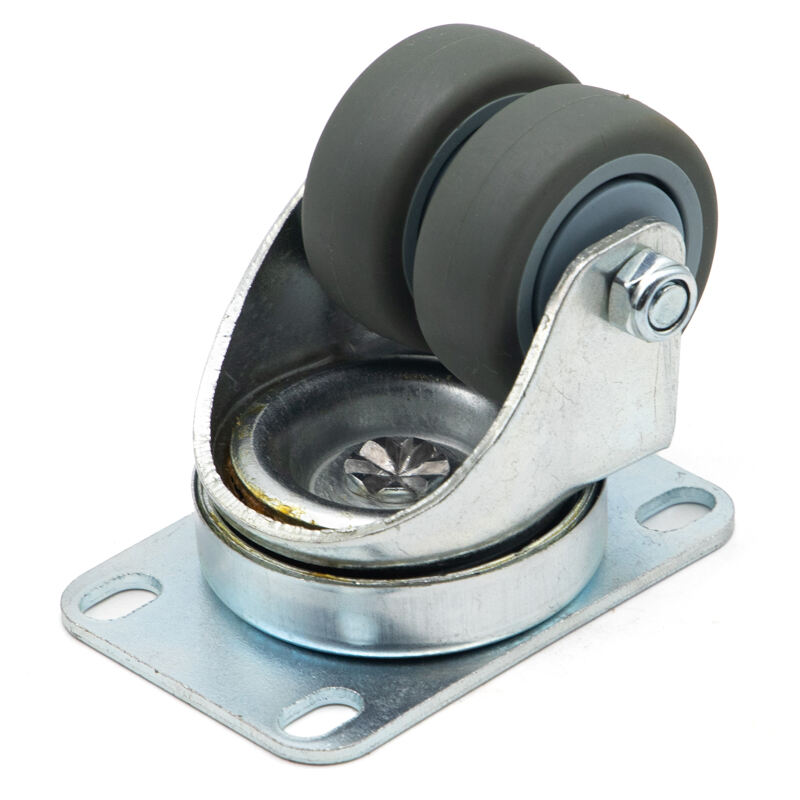
Apa yang Membuat Roda PU Unik dari Segi Komposisi Bahan
Roda poliuretana menggabungkan yang terbaik daripada kedua-dua dunia. Mereka diperbuat daripada bahan khas yang dipanggil poliuretana yang berfungsi agak seperti getah tetapi juga jauh lebih kuat. Apa yang menjadikan mereka menonjol ialah keupayaan mereka untuk menangani kira-kira 30 peratus lebih beban berbanding roda PVC atau nilon biasa, walaupun secara keseluruhan beratnya lebih ringan menurut kajian Ponemon tahun lepas. Apabila roda ini menyentuh lantai, molekul-molekul yang saling bersambungan ini sebenarnya menyerap hentakan daripada benturan berbanding membiarkannya melantun balik. Ini bermakna kurang goyangan dan kawalan yang lebih baik secara keseluruhan—sesuatu yang tidak dapat dicapai oleh roda keras konvensional ketika berguling di atas pelbagai permukaan.
Peranan Poliuretana dalam Meningkatkan Cengkaman Permukaan
Sifat viskoelastik poliuretana membolehkan mikro-perubahan bentuk pada permukaan basah, meningkatkan luas sentuhan berkesan sehingga 22% berbanding getah konvensional. Penyesuaian dinamik ini membolehkan:
- Penyesuaian tapak pada aras milisaat terhadap ketidaksekataan permukaan
- Peralihan air yang cekap melalui rekabentuk tapak yang dioptimumkan
- Pepejal geseran yang stabil (±0.05 variasi) merentasi perubahan suhu
Ciri-ciri ini menjadikan PU sangat berkesan dalam persekitaran di mana kelembapan mengurangkan cengkaman.
Ciri Mekanikal Utama Poliuretana yang Mempengaruhi Cengkaman
Roda PU memberikan prestasi permukaan basah yang unggul melalui tiga ciri utama yang direkabentuk:
| Harta | Kesan Permukaan Basah | Perbandingan Permukaan Kering |
|---|---|---|
| Keras (Shore A) | 85A–95A mengoptimumkan pegangan/kebolehtahanan | 30% lebih lembut daripada nilon |
| Kelenting Lantun | 40–60% mengurangkan risiko mengapung di atas air (hydroplaning) | Seiring dengan getah industri |
| Set pemampatan | <10% memastikan kekalkan bentuk | Melebihi PVC dengan nisbah 3:1 |
Bersama-sama, sifat-sifat ini mengekalkan pekali geseran dinamik (DCOF) melebihi 0.5 pada konkrit berkilat yang basah, memenuhi piawaian keselamatan ANSI A326.3. Selain itu, komposisi hidrofobik poliuretana menghadkan penyerapan air kepada kurang daripada 0.5% mengikut berat, mengelakkan kehilangan cengkaman seperti yang dilihat pada bahan berliang dalam keadaan lembap yang berpanjangan.
Prestasi Cengkaman Roda PU pada Permukaan Basah dan Licin
Bagaimana Roda PU Mengekalkan Geseran dalam Keadaan Basah
Roda poliuretana mengekalkan cengkaman yang baik walaupun pada permukaan basah kerana ia sedikit berubah bentuk di bawah tekanan sambil mengandungi aditif khas yang menolak air ke luar. Berbanding bahan roda yang lebih keras, roda PU ini sebenarnya mencipta kira-kira 30 peratus lebih luas kawasan sentuhan permukaan yang membantu mencegah gelinciran. Ujian pihak ketiga menunjukkan bahawa roda PU mengekalkan sekitar 85% kuasa cengkamannya pada lantai yang dipenuhi air. Prestasi sebegini membuat perbezaan besar dalam operasi seperti kilang pemprosesan makanan di mana lantai biasanya lembap sepanjang masa.
Analisis Perbandingan Cengkaman: Roda PU vs. Karet dan Nilon
Pada konkrit basah, roda PU mencapai DCOF 0.78–0.82, jauh lebih unggul berbanding karet (0.55–0.62) dan nilon (0.35–0.42). Kelebihan ini meningkat dalam keadaan sejuk: manakala karet menjadi keras di bawah 4°C, PU mengekalkan 92% kelenturannya pada -18°C. Perbezaan utama termasuk:
| Harta | Roda PU | Roda Geting | Roda Nilon |
|---|---|---|---|
| Kekerasan Shore (Skala A) | 75–85A | 80–90A | 95–100A |
| Kekuatan Tarik | 312 kg/cm² | 115 kg/cm² | 850 kg/cm² |
| DCOF Permukaan Basah | 0.79 ± 0.03 | 0.58 ± 0.05 | 0.41 ± 0.07 |
Kekerasan seimbang PU mencegah gelinciran yang biasa berlaku pada nilon terlalu keras semasa pergerakan melintang, memberikan cengkaman yang boleh dipercayai tanpa mengorbankan ketahanan.
Pepejal Pekali Geseran Dinamik dalam Persekitaran Basah
Roda PU berkualiti tinggi mengekalkan DCOF dalam julat ±5% merentasi pelbagai tahap kelembapan—daripada kabus ringan hingga lapisan air setebal 2mm. Konsistensi ini timbul daripada:
- Corak tapak berarah yang menyalurkan bendalir ke luar
- Mikrotekstur sel-buka yang mengganggu kedap vakum
- Kekerasan optimum (75–85A) yang mengelakkan 'berenang' di atas filem air
Selepas ujian perendaman 72 jam, roda PU memulihkan 99% cengkaman asal—menjadikannya sesuai untuk aplikasi maritim dan pencucian.
Interaksi Permukaan: Lantai Licin vs. Permukaan Industri Lembap
Pada konkrit berkilat (Ra ¥1.6¼m), rekabentuk PU tanpa alur menggunakan lekatan molekul untuk mengekalkan nilai DCOF melebihi 0.75. Pada permukaan industri bertekstur (Ra ¥12.5¼m), alur berarah melibatkan puncak permukaan, meningkatkan cengkaman sebanyak 18–22%. Fasiliti yang menggunakan emulsi minyak-air melaporkan 63% kurang insiden gelincir selepas beralih kepada roda PU dua ketumpatan yang dilengkapi:
- lapisan luar 85A untuk rintangan serpihan
- teras dalam 70A untuk kesesuaian permukaan
- Tepi berkeping untuk mengelakkan pengekangan bendalir
Prestasi Sebenar Roda PU dalam Persekitaran Berlembap Tinggi
Aplikasi dalam Gudang dan Kilang Pemprosesan Makanan
Laporan logistik terkini dari tahun 2023 menunjukkan bahawa kira-kira 78 peratus kemudahan penyimpanan sejuk telah beralih kepada roda poliuretana untuk peralatan pengendalian bahan mereka. Roda ini tidak menyerap air kerana sifatnya yang tidak berliang, menjadikan perbezaan besar di kawasan pemprosesan makanan di mana pekerja perlu melakukan pembersihan tekanan intensif setiap hari. Getah kini sudah tidak sesuai lagi kerana ia cepat rosak apabila terdedah kepada minyak dan lemak. Roda poliuretana juga mengekalkan cengkaman dengan lebih baik, mempertahankan kira-kira 95% rupaannya walaupun pada permukaan yang sangat berminyak, menurut kajian yang diterbitkan dalam Industrial Materials Journal tahun lepas.
Kajian Kes: Prestasi Roda PU di Kemudahan Pengepakan Berkelembapan Tinggi
Selepas menjalankan ujian selama setahun penuh di sebuah kemudahan pengepakan makanan laut, pekerja mendapati troli yang dilengkapi roda PU mengalami 63% kurang kemalangan gelincir berbanding troli dengan roda nilon. Pengguna troli ini melaporkan rintangan yang agak konsisten apabila menolaknya melalui lantai yang mempunyai jumlah air yang berbeza, dengan bacaan antara 0.18 hingga 0.22 pada skala geseran walaupun terdapat air bertakung setebal 1mm hingga 3mm. Apa yang menjadikan PU begitu berkesan ialah keupayaannya mencipta ketegangan permukaan mikro terhadap lapisan air, memberikan cengkaman yang lebih baik tanpa mengorbankan kelajuan pergerakan—sesuatu yang tidak dapat dicapai oleh bahan biasa. Kombinasi cengkaman dan kemudahan pergerakan inilah yang menerangkan mengapa pengendali lebih gemar menggunakan troli beroda PU sepanjang rutin kerja harian mereka.
Kelakuan Jangka Panjang di Bawah Pendedahan Air Berterusan
Apabila diuji secara menyeluruh, roda poliuretana (PU) premium masih mengekalkan kira-kira 89% kekuatan menanggung beban walaupun telah direndam sepenuhnya selama 18 bulan. Ujian dengan semburan air masin menunjukkan peningkatan kekerasan yang hanya sebanyak 4 mata, iaitu daripada 85A kepada 89A, manakala sampel getah biasa meningkat sebanyak 12 mata apabila diuji bersebelahan dalam keadaan yang sama. Apakah maksud praktikalnya? Bagi pekerja dalam logistik maritim, roda ini tahan lebih kurang 40% lebih lama sebelum perlu diganti. Ini bermakna operasi perlu dihentikan lebih jarang untuk pemeriksaan penyelenggaraan dan mengurangkan secara ketara tempoh frustasi di mana peralatan terletak tidak digunakan sambil menunggu baiki.
Rintangan Kimia dan Kelembapan bagi Roda Poliuretana
Penyerapan Kelembapan dalam Poliuretana: Mitos dan Fakta
Sebaliknya daripada tanggapan umum, roda PU menyerap kelembapan dalam jumlah yang sangat sedikit—biasanya kurang daripada 1.5% selepas 30 hari dalam kelembapan 90% (Kajian Prestasi Polimer 2023). Struktur sel tertutup mereka menghalang penembusan air, mencegah pengembangan atau pelunakan. Berbeza dengan nilon, PU mengekalkan kestabilan dimensi dan kapasiti beban dalam persekitaran yang sentiasa lembap.
Rintangan terhadap Kerosakan Air dan Tumpahan Bahan Kimia
Roda poliuretana lebih tahan terhadap bahan kimia berbanding tayar getah biasa, menunjukkan rintangan sekitar tiga kali ganda mengikut ujian kilang. Struktur polimer khas ini pada dasarnya tidak membenarkan bahan seperti minyak, pelarut atau malah asid kuat meresap masuk. Ini sangat penting di kawasan pemprosesan makanan yang sentiasa menggunakan pembersih kuat seperti larutan peluntur. Kami juga menjalankan beberapa ujian jangka panjang. Selepas enam bulan bersentuhan secara berterusan dengan bahan kimia ini, roda poliuretana kekal mempertahankan sekitar 98% kekerasan asalnya. Tayar getah biasa? Mereka hanya mengekalkan lebih kurang 72% daripada kekerasan asal selepas rawatan yang serupa. Tidak hairanlah ramai kemudahan beralih kepada roda poliuretana apabila rintangan kimia menjadi pertimbangan utama.
Kesan Kelembapan terhadap Kekuatan dan Jangka Hayat Roda
Ujian penuaan terpercepat menunjukkan kestabilan luar biasa dalam persekitaran lembap:
| Keadaan | Perubahan Kekerasan | Perubahan Diameter |
|---|---|---|
| 90% RH, 1,000 jam | ¥ 5 Shore A | 0.3% |
| Renjisan Garam, 500 jam | ¥ 3 Shore A | 0.2% |
Ketahanan ini menyokong tempoh perkhidmatan selama 7–10 tahun di gudang pesisir pantai dan lokasi berkelembapan tinggi lain, hampir dua kali ganda jangka hayat 3–5 tahun roda getah dalam keadaan serupa.
Inovasi Reka Bentuk dan Bahan untuk Cengkaman Permukaan Basah yang Lebih Unggul
Corak Tapak dan Tekstur Permukaan untuk Meningkatkan Cengkaman Basah
Reka bentuk tapak yang direkabentuk seperti alur berarah dan mikro-siping meningkatkan pengaliran air, mencipta 32% lebih banyak saluran saliran berbanding permukaan licin (Laporan Traction Perindustrian 2023). Tapak bercorak rombus meningkatkan titik sentuhan sebanyak 18% pada lantai basah, mengurangkan ketebalan filem air dan mengekalkan sentuhan tayar ke tanah yang penting untuk operasi yang selamat.
Formulasi sebatian yang bertujuan meningkatkan pekali geseran
Campuran poliuretana maju menggabungkan nanopartikel silika dan aditif hidrofilik, meningkatkan pekali geseran basah kepada julat 0.68–0.72—melebihi julat getah piawai iaitu 0.55–0.62. Satu kajian polimer 2023 mengesahkan campuran ini mengekalkan 89% cengkaman kering pada permukaan bersalut air melalui pengurusan wap peringkat molekul.
Mengimbangi Kekenyalan untuk Cengkaman vs. Kekerasan untuk Ketahanan
Julat kekerasan Shore 75A–85A yang optimum membolehkan roda PU menyesuaikan diri rapat dengan permukaan lantai sambil menahan haus. Tread yang lebih lembut meningkatkan cengkaman, manakala rangkaian bersilang memastikan integriti struktur. Simulasi haus menunjukkan imbangan ini memperpanjang jangka hayat perkhidmatan sebanyak 2.3 kali ganda berbanding getah tulen dalam persekitaran basah.
Kemajuan Terkini dalam Teknologi Roda Poliuretana Dua Lapisan
Reka bentuk roda dua lapisan mempunyai teras 90A yang kuat yang dibungkus dalam bahan tapak 70A yang lebih lembut. Apabila bergolek di atas lantai basah, persediaan ini membolehkan lapisan luar untuk menyekat dan membuat kira-kira 40% kawasan sentuhan yang lebih besar daripada roda biasa. Pada masa yang sama, bahagian dalam yang keras tetap kukuh supaya tidak hancur apabila peralatan berat bergolak di atasnya. Menurut ujian baru-baru ini yang diterbitkan dalam Tinjauan Keselamatan Pengendalian Bahan tahun lalu, roda khas ini mengurangkan kemalangan tergelincir di kemudahan pembungkusan daging dan kawasan pemprosesan makanan lain dengan hampir dua pertiga berbanding dengan alternatif ketumpatan tunggal lama.
Soalan Lazim
Adakah roda PU sesuai untuk penggunaan luaran?
Ya, roda poliuretana adalah ideal untuk penggunaan luaran. Ia memberikan cengkaman yang sangat baik dan boleh menahan pendedahan kepada pelbagai keadaan persekitaran, termasuk kelembapan dan bahan kimia.
Bagaimanakah perbandingan roda PU dengan roda getah dalam persekitaran berkelembapan tinggi?
Roda PU menunjukkan prestasi unggul dalam persekitaran berkelembapan tinggi, memberikan cengkaman yang lebih baik dan jangka hayat yang lebih panjang berbanding roda getah. Mereka mengekalkan cengkaman dan ketahanan walaupun terdedah kepada air dan bahan kimia.
Bolehkah roda PU digunakan dalam persekitaran terkawal suhu?
Sudah tentu, roda PU mengekalkan keanjalan dan cengkaman dalam persekitaran terkawal suhu. Mereka memberikan prestasi yang lebih baik berbanding roda getah, terutamanya dalam keadaan sejuk.
Industri apa yang paling mendapat manfaat daripada penggunaan roda PU?
Industri seperti pemprosesan makanan, logistik, dan operasi maritim sangat mendapat manfaat daripada penggunaan roda PU disebabkan oleh ciri-ciri cengkaman yang sangat baik, ketahanan, dan rintangan terhadap bahan kimia.
Kandungan
- Apa yang Membuat Roda PU Unik dari Segi Komposisi Bahan
- Peranan Poliuretana dalam Meningkatkan Cengkaman Permukaan
- Ciri Mekanikal Utama Poliuretana yang Mempengaruhi Cengkaman
- Prestasi Cengkaman Roda PU pada Permukaan Basah dan Licin
- Prestasi Sebenar Roda PU dalam Persekitaran Berlembap Tinggi
- Rintangan Kimia dan Kelembapan bagi Roda Poliuretana
- Inovasi Reka Bentuk dan Bahan untuk Cengkaman Permukaan Basah yang Lebih Unggul
- Soalan Lazim


