
 EN
EN
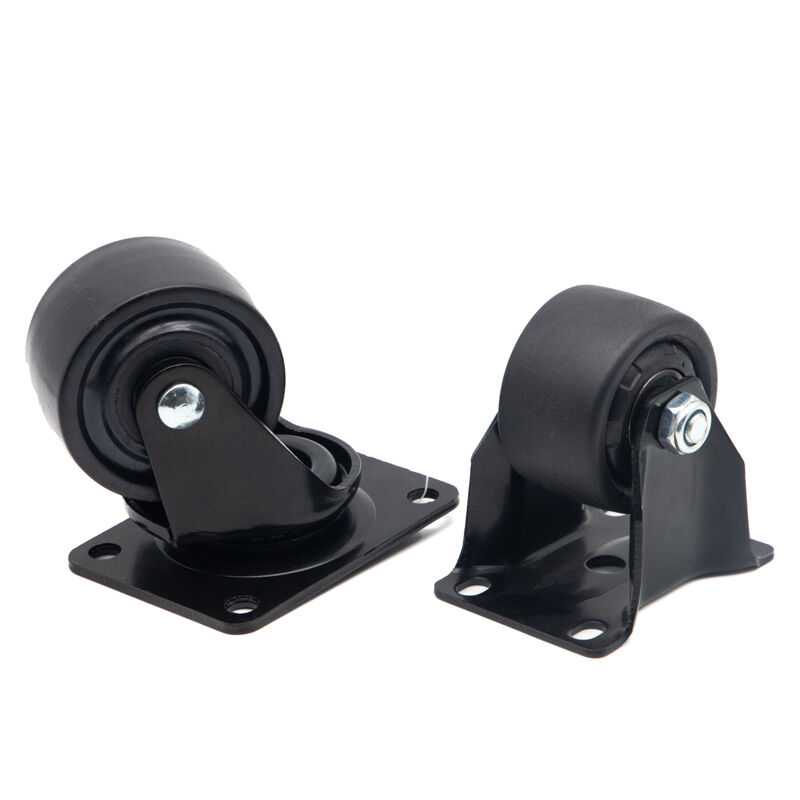
How Caster Wheel Diameter Affects Load Capacity and Performance
The Relationship Between Diameter and Weight Capacity
Bigger caster wheels definitely boost how much weight they can handle because the force gets spread out over a larger surface area. This means less stress on the treads and around 10% lower rolling resistance for each extra inch in diameter. Take it from experience: those 8 inch wheels generally hold about 25% more weight compared to their smaller 6 inch cousins when everything else stays the same. We're talking something like 2,500 pounds versus just 2,000 pounds. The bigger size gives better leverage too, so obstacles aren't as big of a deal. These advantages really stand out on rough ground or places where there's lots of debris lying around. Just keep in mind that those numbers printed on spec sheets are based on perfect conditions. In actual practice, nobody ever works perfectly, so always factor in some safety margin to cover all the unexpected stresses and changing conditions that happen day to day.
Load Capacity Formulas and Real-World Derating Factors
Theoretical load capacity is calculated as:
(Total Equipment Weight + Maximum Payload) × Number of Wheels ÷ Safety Factor (1.25–1.4)
However, field conditions necessitate multiplicative derating—never additive—to reflect cumulative stressors:
| Factor | Capacity Reduction | Cause |
|---|---|---|
| Uneven floors | 15–20% | Irregular force distribution |
| High-speed operation | 10–15% | Increased dynamic stresses |
| Debris accumulation | 5–10% | Impaired wheel rotation |
For instance, equipment moving at speed across cracked concrete may require up to a 30% reduction from static-rated capacity. Always conduct site-specific assessments—including floor condition, operational speed, and maintenance frequency—before finalizing caster selection.
When Smaller Castor Wheels Excel in Precision Applications
Wheels with diameters ranging from 2 to 5 inches offer real benefits when precision matters, especially in tight spaces or situations needing fine control. Think about medical equipment moving through hospital hallways or those tiny adjustments required at electronics workstations. The lighter weight means these wheels spin easier, making them respond better to direction changes which is super important for lab equipment and other sensitive instruments. Labs and cleanrooms typically have nice flat floors without all sorts of junk on them, so smaller wheels actually work great there. They stay stable without bouncing around too much, plus they make less noise and vibration. This helps keep fragile samples safe during transport and prevents calibration issues with precision parts.
Matching Castor Wheel Size to Floor Surface Conditions
Rolling Resistance and Debris Clearance: Minimum Diameter Guidelines
Larger wheels reduce operator effort significantly on compromised surfaces—not only by cutting rolling resistance but also by bridging gaps and clearing debris. Minimum recommended diameters align with surface severity:
- Smooth indoor floors (e.g., polished concrete, vinyl): 50 mm (2") clears fine dust and small particles
- Tiled or lightly cracked surfaces: 100 mm (4") accommodates grout lines and minor irregularities
- Industrial or outdoor settings with gravel, metal shavings, or expansion joints: 150 mm (6") minimum for reliable clearance and stability
A 2023 material handling study confirmed that 8-inch casters reduced required push force by 30% versus 4-inch equivalents on rough industrial concrete—highlighting how diameter directly impacts ergonomics and fatigue.
Recommended Castor Wheel Sizes for Common Floor Types
Match wheel diameter to floor characteristics to optimize mobility, longevity, and safety:
| Floor Type | Recommended Diameter | Key Benefit |
|---|---|---|
| Polished concrete | 50–75 mm | Low noise, minimal floor marking |
| Industrial carpet | 75–100 mm | Effective debris clearance in fibers |
| Uneven outdoor | 125–200 mm | Obstacle clearance and stability |
| Grooved concrete | 150 mm+ | Prevents wheel trapping in joints |
Smaller wheels (<75 mm) suit furniture on smooth interiors, while manufacturing facilities with floor joints or weld seams demand 150 mm (6") or larger. Pair diameter choice with appropriate tread material: soft polyurethane protects sensitive flooring, whereas hard nylon or forged steel treads withstand abrasion and chemical exposure in demanding industrial settings.
Application-Based Selection: From Industrial Equipment to Furniture
Heavy-Duty Industrial Use: Diameter, Dual Wheels, and Bearing Strength
When it comes to industrial settings, we need wheels that can handle serious workloads where weight capacity, how long they last, and keeping operations running smoothly all matter together. Standard sizes range from about 6 to 8 inches (around 150 to 200 mm) across for most machines and heavy lifting tasks because these dimensions help spread out pressure points so neither the floor nor the equipment gets damaged over time. Going dual wheel setup adds extra strength and keeps things stable sideways, sometimes pushing past 2000 pounds per caster unit. Good quality tapered roller bearings make all the difference too since they stand up against sudden shocks, sideways forces, and constant use without wearing down prematurely. Remember though, no matter how good the specs look on paper, nobody should ever skip doing site specific calculations when selecting casters. Even the best ones still need some buffer room for floors that aren't perfectly flat, temperature changes affecting materials, or unexpected impacts during normal operation.
Light-Duty Applications: Swivel Radius and Quiet Operation for Furniture and Medical Carts
When looking at casters for offices, hotels, and hospitals, those measuring around 2 to 4 inches (roughly 50 to 100 mm) really stand out because they focus on being nimble, quiet, and gentle on floors. These small wheels can turn pretty tightly which makes all the difference when moving through busy corridors or cramped spaces. The polyurethane soles don't leave marks and roll smoothly across hard floors without making much noise. This matters a lot in hospital rooms where keeping things under 55 decibels helps patients actually get some sleep and heal properly. And let's not forget about the sealed ball bearings inside these wheels. They basically take care of themselves, so there's no need for constant oiling or adjustments, yet they keep rolling effortlessly year after year.
Beyond Diameter: Other Critical Dimensions for Proper Castor Wheel Fit
Wheel Width, Mounting Plate, and Bolt Pattern Compatibility
Just looking at wheel diameter won't tell the whole story when it comes to performance. Width matters too, along with how the mounting plate fits and where those bolts actually line up. Wheels that are wider tend to handle sideways forces better and stay cleaner when dirt gets kicked up, particularly when dealing with uneven weight distribution or things moving around unexpectedly. Getting the mounting plate right is absolutely critical. If it doesn't fit the equipment base just right, even something as small as 1 or 2 millimeters out of place can start causing vibrations throughout the system, throw everything out of alignment, or worse yet create stress points that might eventually break. Same goes for those bolt holes. They need to match up perfectly with whatever they're attaching to. When there's any kind of misalignment here, attachments become weaker over time, parts wear down faster, and worst case scenario? The whole thing could come loose while running. Before putting anything together, double check all these measurements against what the OEM specs say. Trust me, skipping this step has caused plenty of headaches down the road.
FAQ: Understanding Caster Wheel Dynamics
What factors influence the load capacity of caster wheels?
The load capacity of caster wheels is influenced by several factors: the diameter of the wheel which impacts surface area and leverage; the type of tread material which can increase or decrease rolling resistance; the floor conditions; and environmental factors such as speed and debris accumulation.
Why are larger caster wheels preferred for uneven surfaces?
Larger caster wheels are preferred for uneven surfaces because they easily bridge gaps and can clear debris, reducing operator effort and minimizing rolling resistance on compromised terrains.
Are smaller caster wheels ever beneficial?
Smaller caster wheels excel in precision applications, especially in controlled environments like hospitals or labs where maneuverability, less noise, and tighter turning radius are important.


