
 EN
EN
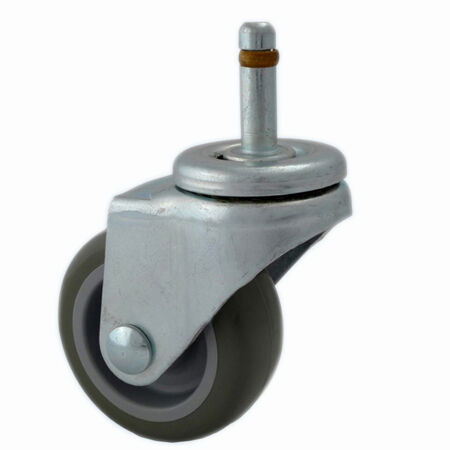
The Science of Cart Wheels: Reducing Resistance to Boost Throughput
How Rolling Resistance Directly Affects Labor Time and Operational Throughput
The amount of energy wasted when cart wheels squish against floors what we call rolling resistance plays a big role in how efficient manual handling actually is. Studies on ergonomics reveal something important: when there's more resistance, workers end up using around 35 percent extra physical effort. This makes them tire faster and reduces their productive working time throughout the day. The extra friction really adds up in terms of lost productivity. For every 10 percent increase in the force needed to push or pull carts, each transport takes about 15 seconds longer. Imagine a warehouse where they move 500 loads every day those extra seconds stack up to well over 20 hours of wasted labor each week. There are ways to fight back against this problem though. Simple changes matter a lot here. Just making wheels bigger doubles their size cuts rolling resistance in half because the weight gets spread out over more surface area. So picking wheels with lower resistance isn't just some small engineering choice it makes a real difference in getting things done faster and better.
Case Study: PU Castor Upgrade Cuts Automotive Assembly Cycle Time by 23%
One large car manufacturing facility swapped out their old nylon wheels for polyurethane castors on those little carts they use to move parts around the factory floor. The results were pretty impressive actually - part delivery times dropped by about 23%, going down from roughly 8 and a half minutes to just over 6 minutes. Before making this switch, workers had been dealing with all sorts of problems because the nylon wheels would get stuck at the cracks between concrete slabs, causing the carts to jerk around unpredictably and often dropping components along the way. After installing these new PU wheels, measurements showed several important mechanical benefits including:
- 41% lower push force requirement
- Elimination of “stiction” during directional changes
- 17% less wheel deformation under identical loads
Over six months, the plant assembled 5,200 additional units without adding staff or overtime—demonstrating how precise friction reduction at the wheel level delivers scalable operational gains.
Selecting Cart Wheels by Load Capacity and Dynamic Performance
Optimal Configuration: Why 2-Rigid/2-Swivel Outperforms 4-Swivel Above 150 kg
When dealing with loads over 150 kilograms, going with two rigid wheels and two swivel casters gives much better results than having all swivels. The rigid ones keep things moving straight ahead without drifting sideways, while those swivel casters still let the equipment turn nicely. This mix of wheel types spreads the weight more evenly across the floor, which cuts down on how hard it is to roll around by roughly 15 percent. That means less strain on components too. On the flip side, trying to maneuver something with four swivel wheels when loaded heavily becomes a real pain for operators who have to constantly adjust direction. Pushing or pulling requires about 22% more effort in these cases, and floors tend to get scuffed up faster, particularly on smooth finishes such as epoxy coatings or polished concrete surfaces found in many warehouses and factories.
Beyond the Label: How Shock Loads Reduce Effective Cart Wheel Capacity by Up to 40%
The numbers on static load ratings don't tell the whole story when it comes to how wheels actually perform in real life situations. When carts hit thresholds, roll over bumpy floors, or come to sudden stops, they create these dynamic stress spikes that regular ratings just don't account for. Research indicates these kinds of shocks can cut into what a wheel can really handle by around 40 percent. So that wheel rated at 500 kg might only be able to carry about 300 kg when things get rough in practice. Take for instance when someone drops a loaded cart from even a small 1 inch high platform – this creates impact forces that are actually 2.5 times greater than what we'd normally calculate based on static weight alone. If manufacturers want their products to last and work properly under normal conditions, they need to consider these factors too.
- Specify wheels rated 20–40% above your maximum static load
- Choose vibration-dampening materials like polyurethane
- Use dual-wheel casters in high-impact environments
This margin prevents bearing failure and significantly extends service life in demanding industrial applications.
Ergonomic Advantages of High-Performance Cart Wheels
Biomechanical Impact: 5° Offset Kingpin Swivel Castors Reduce Shoulder Torque by 32%
Better cart wheels actually make workers safer because they cut down on muscle and joint strain. Wheels with that special 5 degree offset kingpin setup work better since they match how shoulders naturally move around. Tests show this design reduces shoulder twisting forces by about a third over regular casters. For warehouse staff working multiple shifts, this matters a lot as it helps prevent those annoying repetitive injuries while making it easier to push around heavy stuff. When turning carts becomes less effortful for operators, they don't have to compensate with extra force. The result? Real improvements in how much gets done during each shift plus fewer sick days down the road from work related injuries.
Matching Cart Wheels to Industry Requirements
TPU vs. Polyamide: Sterility, Grease Resistance, and Floor Protection Trade-offs
When deciding between thermoplastic polyurethane (TPU) and polyamide materials, most industries focus on three main concerns: how well they handle contamination, their ability to resist chemicals, and what kind of surface protection they offer. The non porous nature of TPU makes it particularly good for places that need to stay sterile, such as pharmaceutical labs and food production areas. It doesn't let bacteria build up and can take regular cleaning without breaking down over time. For greasy environments found in auto repair shops, TPU holds up better under oil exposure than polyamide does. Polyamide tends to get brittle if left in contact with oils for too long. On the other hand, polyamide can handle much heavier weights around 450 kilograms per wheel which is why it works well in manufacturing plants. But there's a downside too since its stiffness can actually damage sensitive floor surfaces. Research into industrial flooring has shown that TPU causes about 40 percent less wear on concrete floors than other common plastics because it absorbs shocks better. So generally speaking, go with TPU when working in cleanrooms or dealing with harsh chemicals. Save the reinforced polyamide option for situations where big, heavy loads need to be moved across rough or uneven factory floors.
FAQ
- What is rolling resistance and why is it important? Rolling resistance refers to the energy loss that occurs when cart wheels move over floors. It impacts the efficiency of manual handling, requiring more physical effort from workers, leading to fatigue and reduced productivity.
- How can changing cart wheels improve efficiency in a warehouse? Upgrading cart wheels to those with lower rolling resistance can significantly reduce the physical effort required by workers, decreasing transport time and increasing overall throughput.
- What are the benefits of using polyurethane castors in automotive assembly? Polyurethane castors reduce push force requirements, eliminate directional "stiction", and experience less deformation, leading to faster part delivery times and increased operational efficiency.
- Why are shock loads important in determining effective wheel capacity? Shock loads, such as those experienced when carts hit bumps or thresholds, can reduce a wheel's capacity by up to 40%. This must be considered to ensure wheels perform effectively in real-world conditions.
- How do different materials like TPU and polyamide affect cart wheels? TPU offers sterility and grease resistance, making it ideal for sterile environments, while polyamide supports heavier weights, though it can damage sensitive flooring.


