
 EN
EN
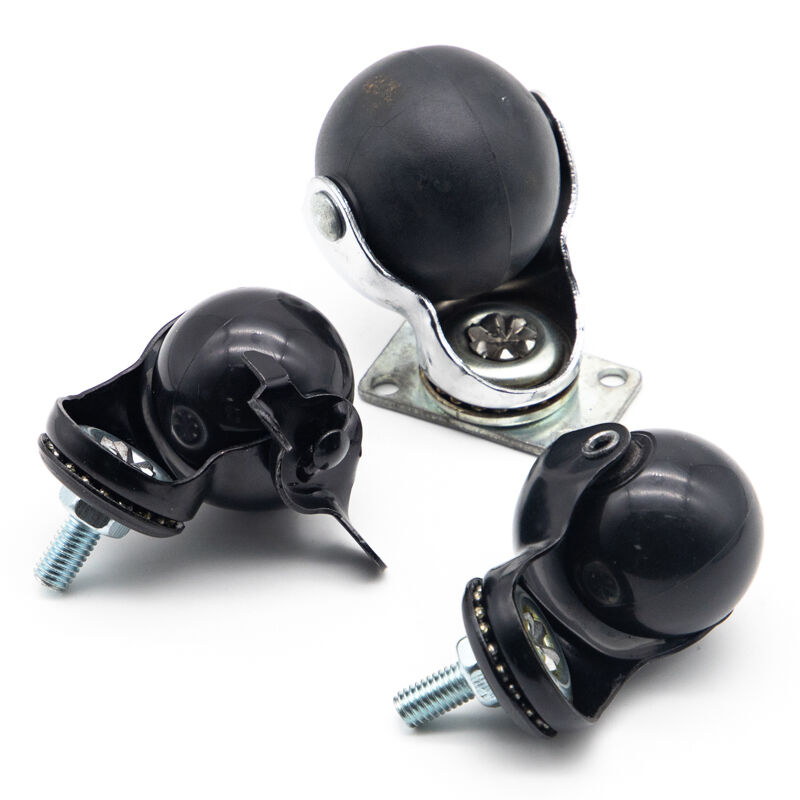
Selecting Floor-Optimized Furniture Wheels by Material and Design
Choosing appropriate furniture wheels requires matching wheel composition to flooring characteristics. Material flexibility and tread design determine debris resistance, weight distribution, and surface pressure.
Soft Rubber and TPE Wheels for Hardwood and Laminate Floors
Hardwood and laminate demand wheels with Shore hardness below 85A to prevent denting. Soft rubber and thermoplastic elastomer (TPE) wheels absorb shocks while conforming to surface imperfections. Their elastic properties distribute weight evenly—eliminating pressure points that cause permanent indentations. Non-marking treads reject debris rather than trapping particles that scratch finishes during movement. TPE’s enhanced resilience maintains shape integrity under heavy loads, unlike traditional rubber which degrades faster. These wheels also reduce noise by 40% compared to rigid alternatives, ideal for quiet environments.
Low-Compression Polyurethane and Dual-Compound Casters for LVT, Vinyl, and Carpet
Luxury vinyl tile (LVT), vinyl, and carpet require wheels that balance surface protection with load stability. Low-compression polyurethane (PU) maintains structural integrity under heavy weights without transferring pressure to delicate surfaces—and its chemical resistance helps prevent damage from spills in kitchens or labs. For carpets, dual-compound casters pair rigid nylon cores with softer PU outer layers: the core prevents sinking into high-pile fibers, while the outer tread grips without snagging. This design enables seamless transitions between flooring types while reducing rolling effort by 30%.
| Feature | Hardwood/Laminate Wheels | LVT/Vinyl/Carpet Wheels |
|---|---|---|
| Core Material | Solid rubber/TPE | Nylon (carpet) |
| Tread Material | TPE (60A–85A) | Low-compression PU |
| Key Benefit | Debris rejection | Surface transition |
| Load Handling | Even weight distribution | Compression resistance |
Advanced Anti-Scratch Features in Modern Furniture Wheels
Integrated Braking, Vibration Dampening, and Self-Cleaning Tread Geometry
Contemporary furniture wheels incorporate specialized engineering to prevent floor damage beyond basic tread materials. Three critical innovations address distinct causes of scratching:
- Integrated braking systems lock wheels during inactivity, eliminating accidental movements that scrape surfaces. According to the Flooring Durability Council (2023), stationary furniture accounts for 62% of hardwood floor scratches.
- Vibration dampening cores absorb impact energy from uneven floors—reducing force transfer by up to 40% and preventing micro-fractures in rigid materials like LVT and laminate.
- Self-cleaning tread geometry features angled grooves that eject debris during rotation, preventing trapped grit from acting as sandpaper. Particulate matter causes 78% of abrasions on luxury vinyl and engineered wood, per the Surface Protection Journal (2024).
These technologies work synergistically: braking stabilizes loads, dampening minimizes pressure points, and self-cleaning mechanisms maintain consistent tread-floor contact. Manufacturers now integrate them into single-unit designs—eliminating the need for external accessories that compromise mobility.
FAQ
Q: What is the best wheel material for hardwood and laminate flooring?
A: Soft rubber or thermoplastic elastomer (TPE) wheels with Shore hardness below 85A are ideal as they prevent denting, reduce noise, and resist debris buildup.
Q: How do low-compression polyurethane wheels benefit LVT, vinyl, and carpet?
A: They maintain structural integrity under heavy loads, prevent pressure transfer to delicate surfaces, resist chemical damage, and offer seamless transitions between flooring types.
Q: What anti-scratch technologies are found in modern furniture wheels?
A: Integrated braking systems, vibration-dampening cores, and self-cleaning tread geometry all work together to minimize floor damage and improve wheel performance.
Q: What are dual-compound casters used for?
A: They are designed for carpeted surfaces, pairing rigid nylon cores with softer polyurethane treads to prevent sinking and minimize rolling effort.


