
 EN
EN
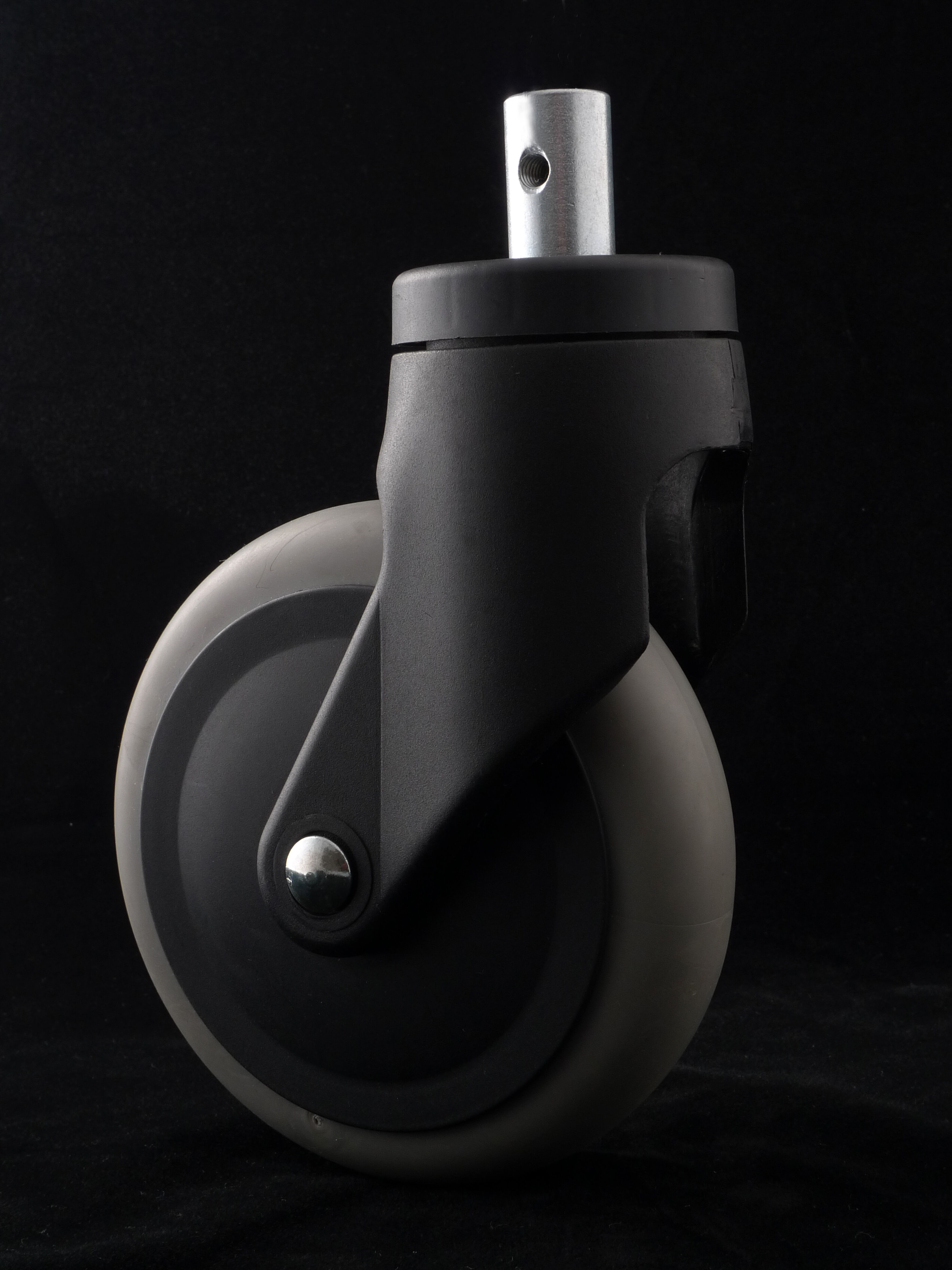
Matching Load Capacity and Clearance with Small Furniture Wheels
Load Capacity Guidelines for Cabinets and Shelving (Up to 250 lbs per wheel)
When picking out wheels for cabinets, make sure they can handle the full weight of everything inside to avoid stressing the structure or causing early breakdowns. Most folks find that for shelves holding around 1000 pounds or less, getting four wheels each rated at 250 pounds gives them about a quarter extra cushion beyond what's actually needed. Nobody likes when things break because someone put all the heavy stuff on one side. We've seen time and again how uneven distribution puts way more pressure on certain wheels than others. And let's talk numbers for a second industrial tests back this up too if something goes over its weight limit by even 15%, the life expectancy drops right down to half what it should be normally. That kind of wear and tear adds up fast in real world conditions.
Wheel Diameter and Overall Height: Ensuring Low-Clearance Compatibility
Small-diameter wheels (1.5"–3") preserve critical clearance under low-profile furniture. A 2" wheel adds only 2.25" of total height—including mounting hardware—while a 3" version increases overall height to 3.25", making it better suited for thresholds or low-pile carpet. Measure your cabinet’s underside clearance before selecting:
- <1" clearance: Requires ultra-low-profile stem mounts
- 1"–2" clearance: Fits plate-mounted wheels under 2.5" diameter
-
>2" clearance: Accommodates larger 3" wheels for improved roll-over on uneven surfaces
Larger diameters enhance obstacle traversal but may compromise stability on narrow-base furniture.
Mounting Methods for Small Furniture Wheels: Plate vs. Stem Options
Selecting the optimal mounting system ensures stability and preserves furniture integrity. For cabinets and shelving under 250 lbs, two primary methods exist—each addressing distinct structural needs.
Plate-Mount Casters for Flat-Bottom Cabinets and Modular Shelving Units
Plate mount casters work by attaching through a rectangular base held in place by four bolts. This design spreads out the weight over a larger area, which helps prevent those annoying stress points from forming on particle board or laminate surfaces. These casters really shine when it comes to keeping things stable side to side while pushing around heavy cabinets. Flat bottom storage units get along particularly well with them too. When putting these in place, most folks need to line up with standard bolt hole patterns, usually something like 2.5 inches by 2.5 inches or maybe 3 inches square. The modular shelving systems tend to be big fans of plate mounts since so many of them already have those exact sized holes drilled in ready to go.
Stem-Mount Casters for Legged Furniture: Stability, Installation Tolerance, and Retrofitting
Stem mount casters come with either threaded stems or those with gripping rings that fit right into holes already drilled in furniture legs. These types work best on narrow or tapered legs where regular plate mounts just won't fit without getting in the way. They're pretty forgiving too, since there's about a 1mm leeway for installation errors when someone needs to retrofit old equipment. To get good stability, most folks find that pushing the stem down about a third of the way into the leg gives solid results. This setup stops those annoying wobbles we see in display cases with legs, plus it lets technicians tweak heights precisely by choosing different length stems depending on what's needed for each application.
Wheel Material Selection for Floor Protection and Quiet Mobility
Thermoplastic Rubber (TPR) and Polyurethane (PU) Wheels: Performance on Hardwood and Tile
When moving around on sensitive floors such as wood or tile, TPR and PU wheels manage to find that sweet spot between protecting the floor and keeping things rolling smoothly. The TPR ones are pretty good at absorbing shocks and making less noise, which works well for lighter tasks most of the time. PU wheels tend to last longer, resist chemicals better, and generally leave fewer scratches behind. Tests from various industries show that PU wheels cut down on those annoying floor scratches by about four fifths when compared with regular plastic wheels. There are definitely some important distinctions worth noting though.
| Feature | TPR Wheels | PU Wheels |
|---|---|---|
| Noise Level | Ultra-quiet (≤35 dB) | Moderate noise (≤45 dB) |
| Durability | Good (up to 5,000 cycles) | Excellent (15,000+ cycles) |
| Floor Safety | Superior grip/debris rejection | Scratch-resistant, no marking |
Why Urethane-Based Furniture Wheels Deliver Superior Floor Protection and Roll Quality
Urethane formulations outperform standard rubbers in three key areas:
- Floor Preservation: Advanced polymer structures distribute weight uniformly, preventing permanent indentations on vinyl, laminated, or resilient flooring.
- Vibration Dampening: Absorbs three times more impact energy than thermoplastic alternatives—critical for protecting fragile contents on shelving.
-
Roll Efficiency: Precision bearings reduce starting force by 60%, enabling smooth redirection of fully loaded cabinets without jerking or binding.
Their non-marking composition and static-dissipative properties make urethane wheels the preferred choice for electronics labs, medical facilities, and other contamination-sensitive environments.
FAQ
What is the recommended load capacity per wheel for cabinets?
For cabinets and shelving, it is recommended to use wheels that can handle at least 250 pounds each, providing a quarter extra cushion for stability.
How do I choose the right wheel diameter for my furniture?
Measure your cabinet’s underside clearance before selecting wheels. Small-diameter wheels (1.5"–3") preserve clearance under furniture, while different diameters accommodate specific clearances.
What are the differences between plate and stem mount casters?
Plate mount casters spread out weight over a larger base, ideal for flat-bottom cabinets, whereas stem mount casters fit narrow legged furniture and allow for easy retrofitting.
Which material is better for wheel flooring protection: TPR or PU?
PU wheels generally offer better durability and scratch resistance than TPR, although TPR provides superior noise reduction and grip in lighter tasks.
Why are urethane wheels recommended for specific environments?
Urethane wheels are preferred in environments like labs and medical facilities for their noise reduction, floor preservation, and static-dissipative properties.
Table of Contents
- Matching Load Capacity and Clearance with Small Furniture Wheels
- Mounting Methods for Small Furniture Wheels: Plate vs. Stem Options
- Wheel Material Selection for Floor Protection and Quiet Mobility
-
FAQ
- What is the recommended load capacity per wheel for cabinets?
- How do I choose the right wheel diameter for my furniture?
- What are the differences between plate and stem mount casters?
- Which material is better for wheel flooring protection: TPR or PU?
- Why are urethane wheels recommended for specific environments?


