
 EN
EN
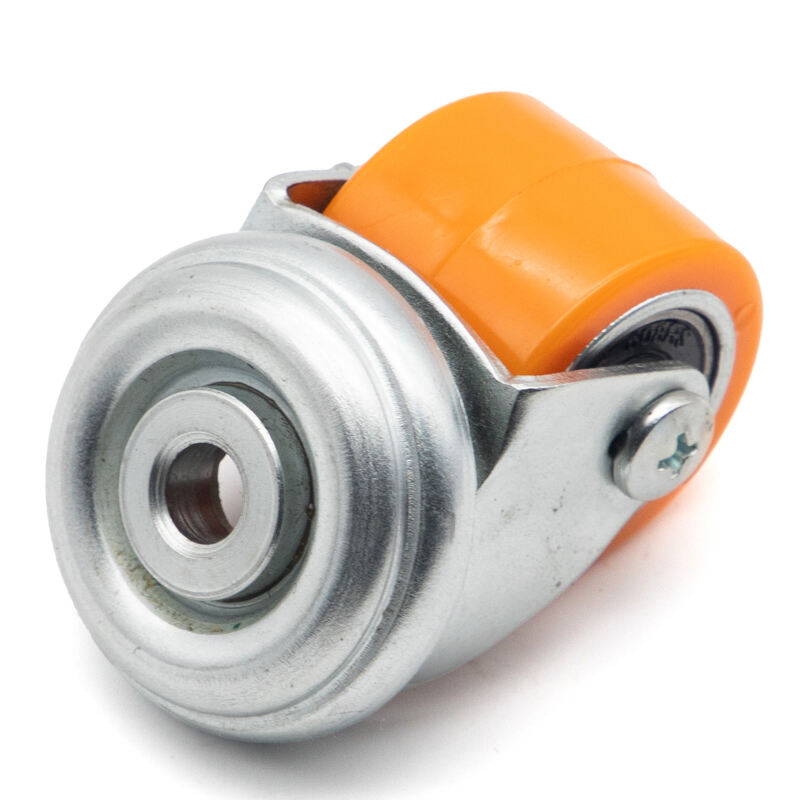
Clean Swivel Wheels Regularly to Prevent Debris-Induced Wear
How Debris Accelerates Wear in Swivel Wheel Mechanisms
Debrisâsuch as dust, gravel, and hairâinfiltrates swivel wheel bearings and axles, acting as abrasive agents that accelerate mechanical wear. This contamination increases rolling resistance by up to 40% and triggers three primary failure modes:
- Bearing degradation: Grit particles create microscopic fractures in bearing raceways
- Swivel mechanism jam: Compacted debris restricts free 360° rotation
- Uneven tread wear: Foreign objects disrupt balance during load shifts
Left unaddressed, debris accumulation cuts swivel wheel lifespan by half and elevates safety risks during material handling operations.
Step-by-Step Cleaning Protocol for Swivel Wheels and Swivel Castors
Follow this evidence-based cleaning sequence every 250 operational hoursâor immediately after exposure to high-contamination environments:
- Isolate debris: Lift equipment to fully unload wheels
- Dry removal: Use stiff-bristle brushes on treads and swivel joints to dislodge surface grit
- Deep clean: Apply a non-corrosive detergent solution with a microfiber cloth, focusing on pivot points and bearing housings
- Axle flushing: Clear bearing channels using compressed air (<30 PSI) to expel embedded particles
- Final drying: Wipe all components thoroughly with lint-free towels to prevent moisture retention
Conclude with a manual rotation testâsmooth, silent 360° movement confirms effective cleaning. Implement this protocol quarterly as part of preventive maintenance.
Lubricate Swivel Wheels and Bearings for Smooth, Corrosion-Resistant Operation
When it comes to swivel wheels, good lubrication can cut down on friction by around 30%, plus it creates a shield against rust buildup. This matters a lot in places where there's lots of moisture or frequent cleaning operations. Looking at what's happening across industries, we find that about 45% of early failures in these systems come from bearings that weren't properly maintained. The Ponemon Institute study from last year put the annual cost of these unexpected breakdowns at roughly seven hundred forty thousand dollars per facility. That's quite a hit to operations budgets when maintenance isn't planned ahead of time.
Selecting and Applying the Right Lubricant for Swivel Wheels
Match lubricant type to application demands:
| Factor | Grease Lubricant | Oil Lubricant |
|---|---|---|
| Best For | Moderate speeds, dusty/contaminated settings | High-speed or elevated-temperature operation |
| Protection | Provides sealing action against moisture and particulates | Offers superior heat dissipation and flow |
| Limitations | Not recommended above 200°F (93°C) | Requires more frequent reapplication and containment |
Silicone-based sprays are ideal for exposed componentsâthey repel debris without attracting dust. Apply sparingly to bearing races using needle-tip applicators; excess lubricant traps abrasive particles and accelerates wear.
Avoiding Under- and Over-Lubrication Pitfalls in Swivel Castor Systems
Insufficient lubrication leads to metal-on-metal contact, increasing friction by 400% within six months. Conversely, over-lubrication creates a âgrit trapâ that accelerates bearing degradation. Monitor monthly for grinding noises, stiff rotation, or visible resistance during directional changes. Reapply lubricant only when measured resistance exceeds manufacturer specificationsâtypically every 500 operational hours.
Inspect and Tighten Swivel Wheel Mounting Hardware to Maintain Alignment and Safety
Key Inspection Points: Swivel Bracket Integrity, Bolt Torque, and Load Centering
Consistent hardware inspection prevents misalignment, instability, and catastrophic failure. Prioritize these three areas:
- Swivel bracket integrity: Visually inspect for cracks, bends, or signs of material fatigueâparticularly in high-load or repetitive-motion applications. Replace compromised brackets immediately.
- Bolt torque verification: Check mounting bolts monthly using a calibrated torque wrench. Most industrial castors require 35â50 N·m; always defer to OEM specifications.
- Load centering: Confirm weight remains evenly distributed across the wheel assembly. Off-center loading not only accelerates wear but increases tip-over risk by up to 70%.
Tighten loose hardware to precise torque values to avoid joint stressâovertightening can strip threads or deform mounting surfaces. Reinforce alignment quarterly by verifying smooth, binding-free swivel motion.
Replace Worn Swivel Wheels and Components Before Failure Occurs
Visual and Performance Indicators That Signal Swivel Wheel Replacement
Proactive replacement avoids sudden failure, safeguarding personnel, equipment, and uptime. Watch for these critical indicators:
- Visual deterioration: Weekly inspections should identify deep structural cracks, excessive tread loss compromising load rating, or permanent metal deformation. Research indicates 70% of catastrophic wheel failures are preceded by visible cracking.
- Operational instability: Increased resistance during direction changes, audible grinding, load wobbling, or uneven rollingâall signal advanced bearing wear. A 40% increase in force required to initiate movement strongly predicts imminent bearing collapse.
- Component misalignment: Abnormal tilt in swivel castors or asymmetric tread wear patterns point to mounting issues or frame distortion. Persistent misalignment accelerates wear at three times the rate of properly aligned assemblies.
Ignoring these signs risks collateral damage costing five to ten times the price of replacement parts. Rotate wheels quarterly to promote even wear distribution, and maintain detailed inspection logs to forecast replacement timing with confidence.
FAQ
Why should swivel wheels be cleaned regularly?
Regular cleaning prevents debris from causing excessive wear, which can reduce wheel lifespan and safety during operations.
What are the signs that lubrication in swivel wheels is insufficient?
Signs include increased friction, grinding noises, stiff rotation, and visible resistance during directional changes.
How often should swivel wheel mounting hardware be inspected?
Consistent inspections should be performed, prioritizing key areas like bracket integrity, bolt torque, and load centering.
When should swivel wheels be replaced?
Wheels should be replaced upon observing visual deterioration, operational instability, or component misalignment.


