
 EN
EN
Quick Links
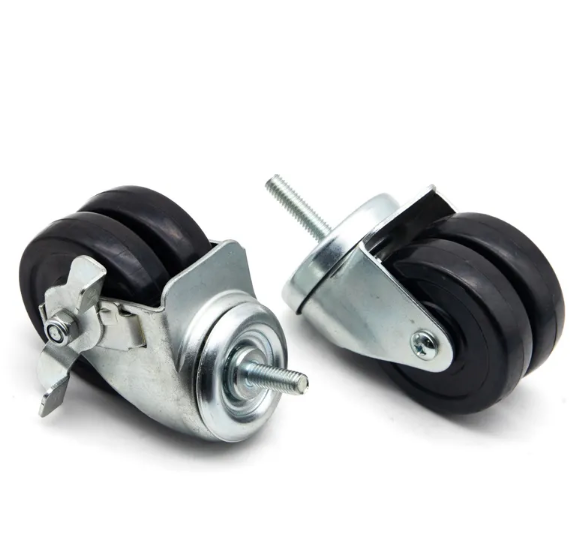
The Material Science That Actually Drives Caster Noise Rolling noise from caster wheels isn't random. It comes from two physics-level interactions: the hardness mismatch between wheel material and floor surface, and the damping capacity of the whee...
VIEW MORE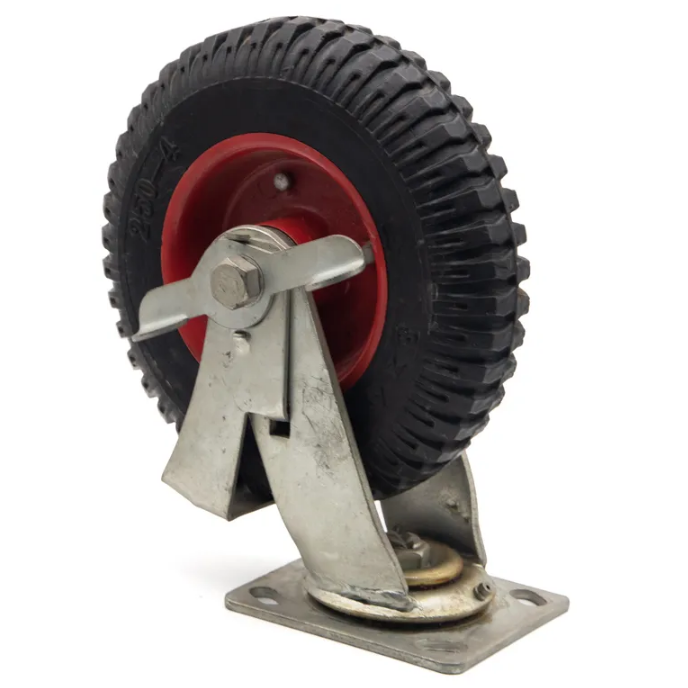
How Rubber Cart Wheels Absorb Shock on Rough Terrain The Science of Elastic Deformation and Energy Dissipation in Rubber Rubber cart wheels absorb shock through elastic deformation—a reversible compression and stretching enabled by their poly...
VIEW MORE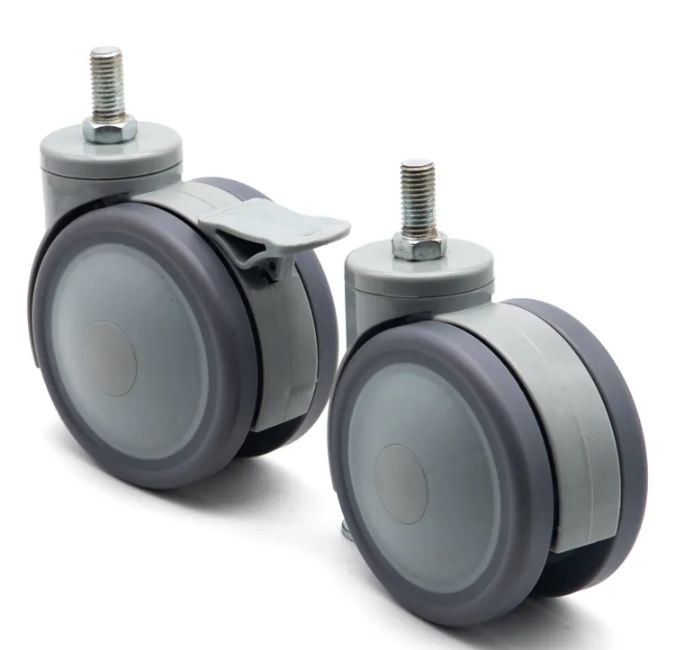
The Safety Gap: Why Standard Furniture Wheels Fail in Dynamic Work Environments Unintended movement as a top contributor to workstation-related slips, falls, and ergonomic strain Standard furniture wheels lack adequate locking mechanisms for dynami...
VIEW MORE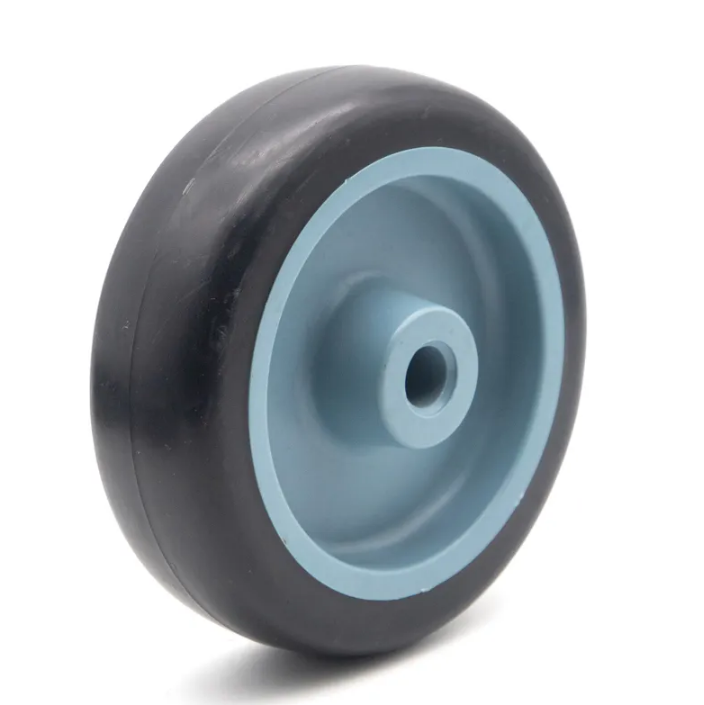
How Wheel Material Affects Push/Pull Force and Operator Ergonomics The material of a caster wheel directly determines how much force an operator must exert to start and sustain movement. Softer treads grip the floor and absorb vibration, while hard...
VIEW MORE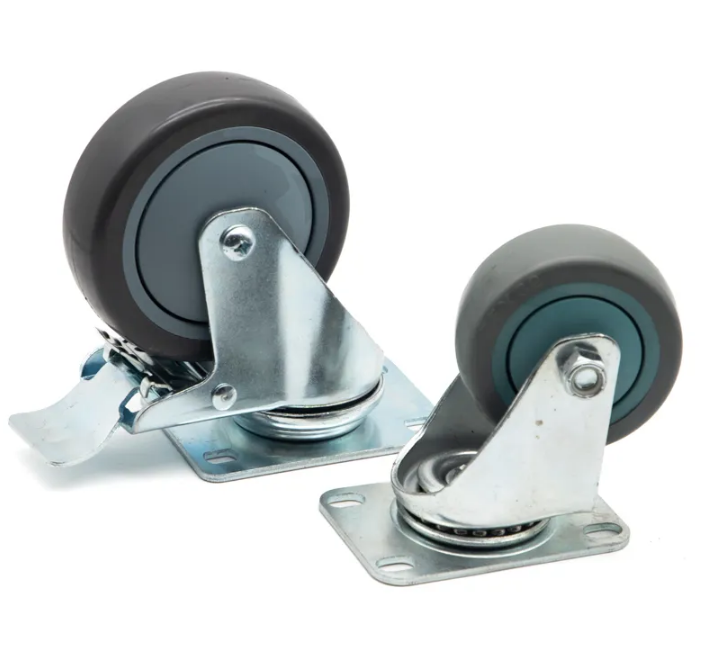
The Science Behind PU Wheels’ Non-Marking Performance Chemical Inertness and Minimal Plasticizer Migration in Polyurethane Polyurethane (PU) wheels prevent floor damage through molecular stability—its cross-linked polymer structure limi...
VIEW MORE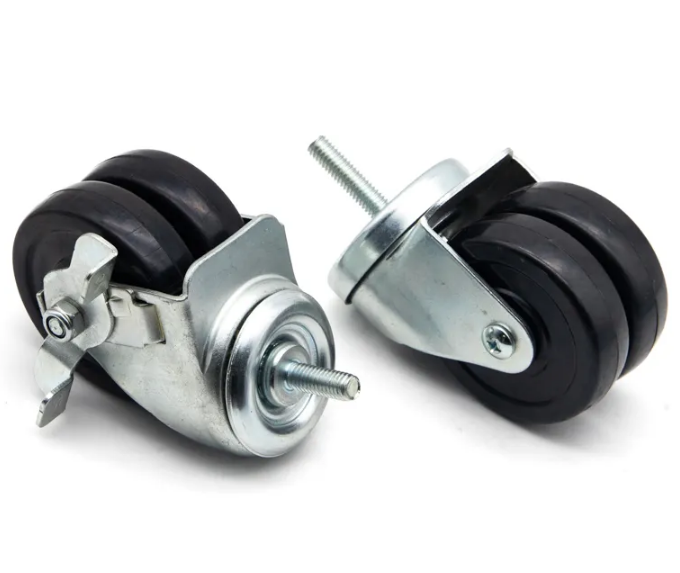
The Hardwood Floor Challenge: Why Small Caster Wheels Are a Strategic Solution Hardwood floors combine elegance with durability—but they’re vulnerable to scratches, dents, and scuffs from heavy furniture or equipment movement. The wrong...
VIEW MORE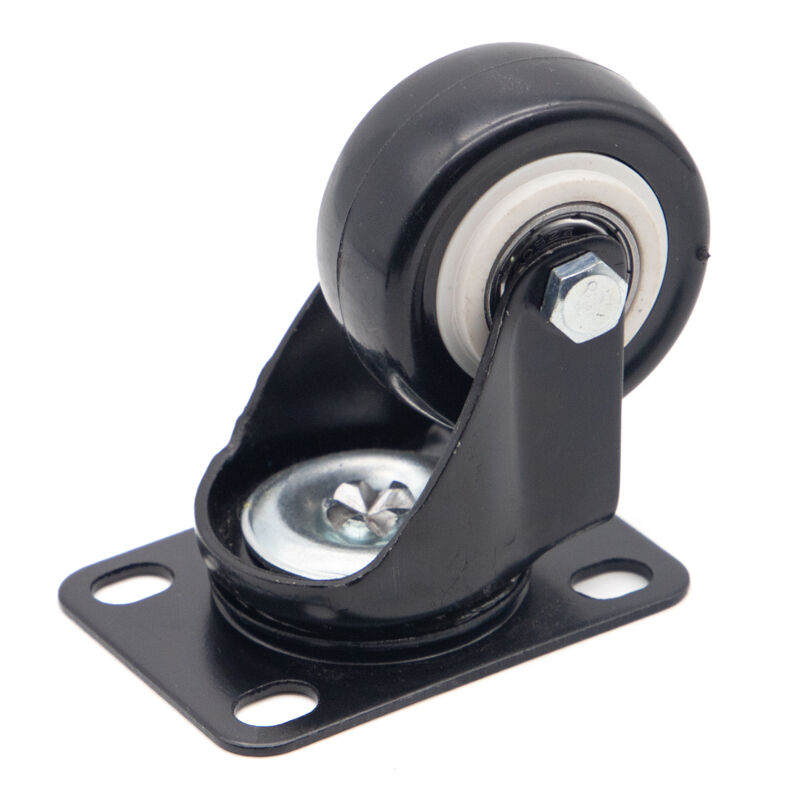
Why Load-Bearing Capacity Is the Foundational Specification for Cart WheelsExceeding a wheel’s load-bearing capacity accelerates failure, increasing downtime costs by up to $740k (Ponemon 2023). Logistics carts face uneven weight distribution during ...
VIEW MORE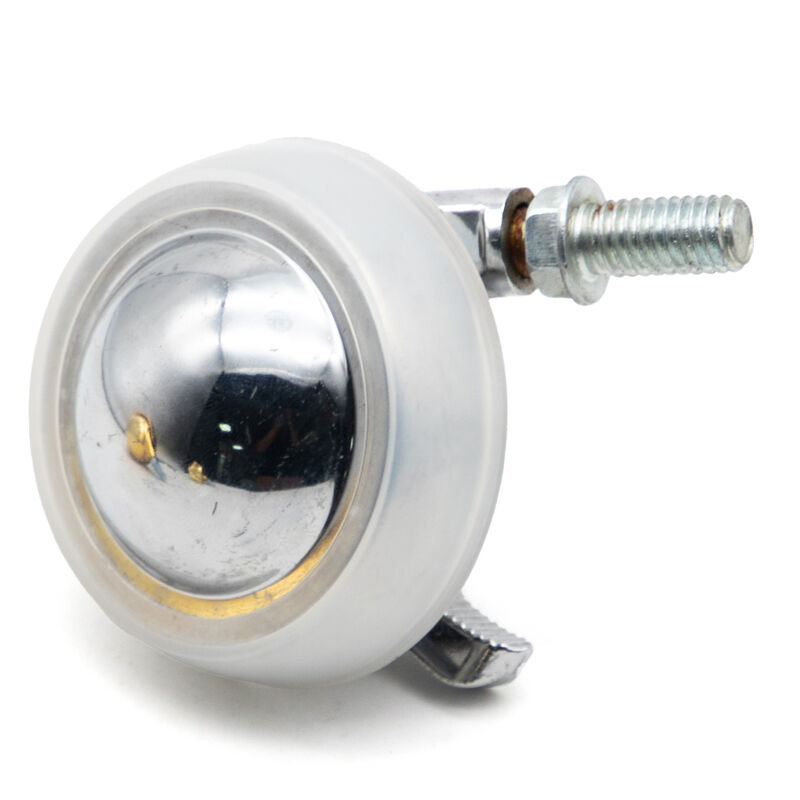
Load Capacity Essentials for Heavy-Duty Furniture Wheels Static vs. Dynamic Load Ratings: What They Mean for Real-World Stability Heavy-duty furniture wheels are defined by two distinct load ratings: static and dynamic. Static load refers to the maxi...
VIEW MORE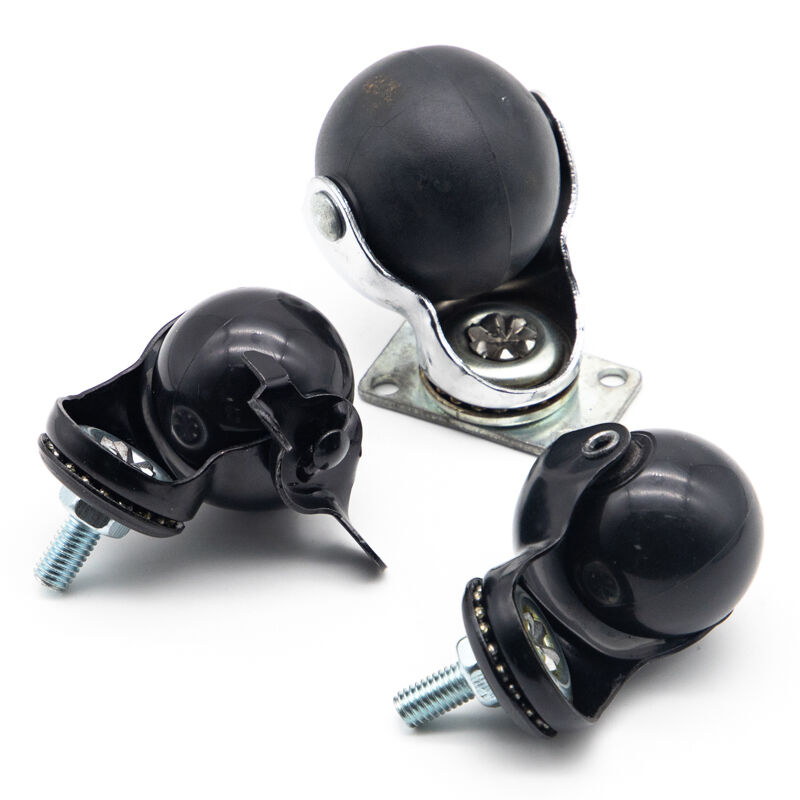
Selecting Floor-Optimized Furniture Wheels by Material and DesignChoosing appropriate furniture wheels requires matching wheel composition to flooring characteristics. Material flexibility and tread design determine debris resistance, weight distribu...
VIEW MORE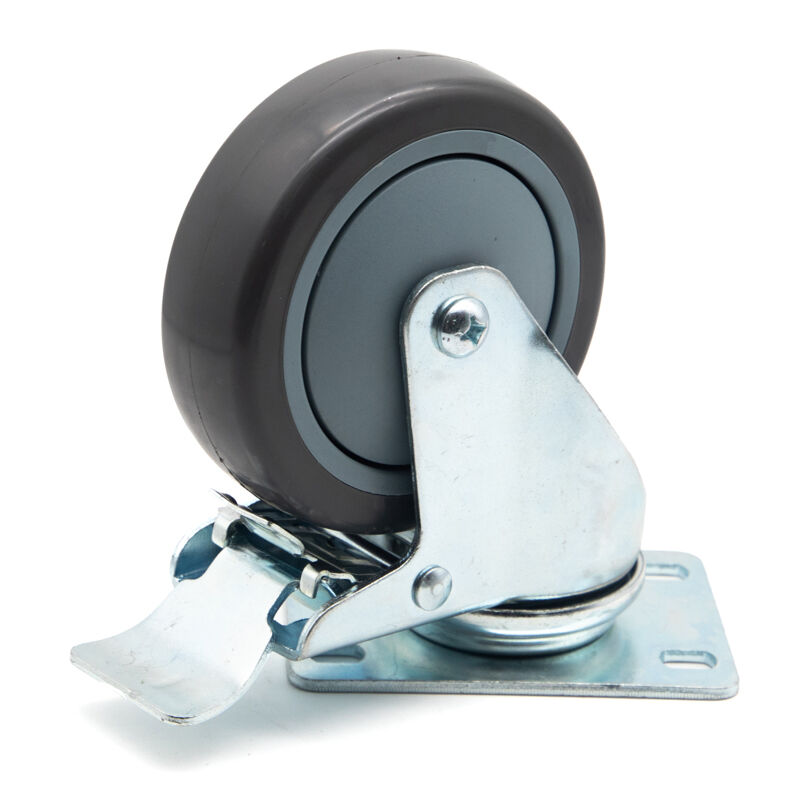
Why Swivel Wheels Fail in Harsh Industrial Environments Chemical exposure, oil saturation, and abrasive debris as primary degradation vectors Continuous contact with industrial solvents, oils, and airborne particulates progressively deteriorates swiv...
VIEW MORE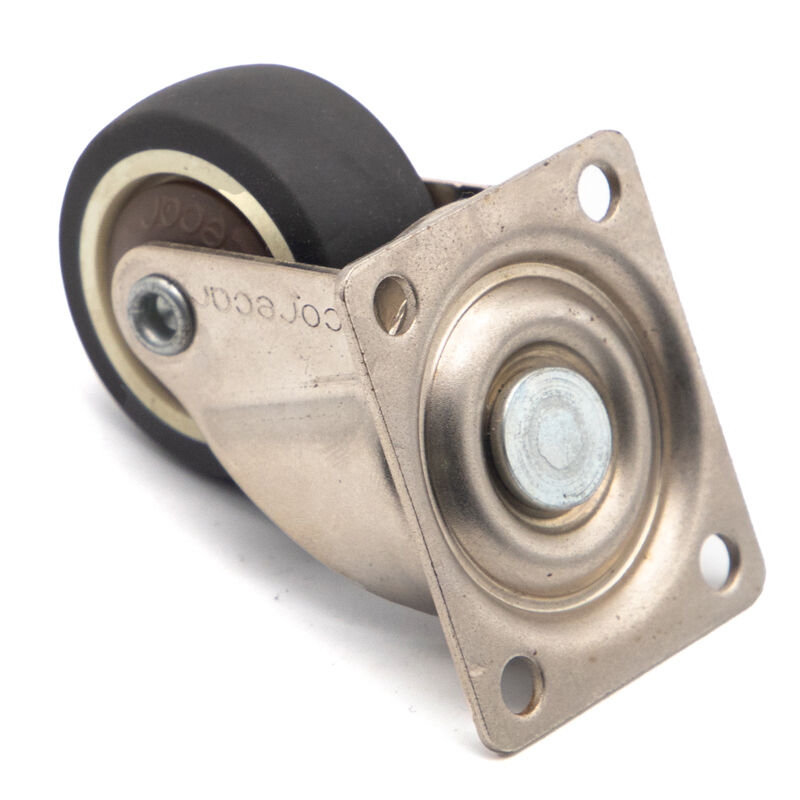
Understanding Furniture Wheel Types and Core MaterialsHard vs. Soft Tread Wheels: Impact on Mobility and Floor SafetyHard tread wheels (85D–95D Shore hardness) deliver high load capacity and prevent sinking on carpet or uneven surfaces—but risk scrat...
VIEW MORE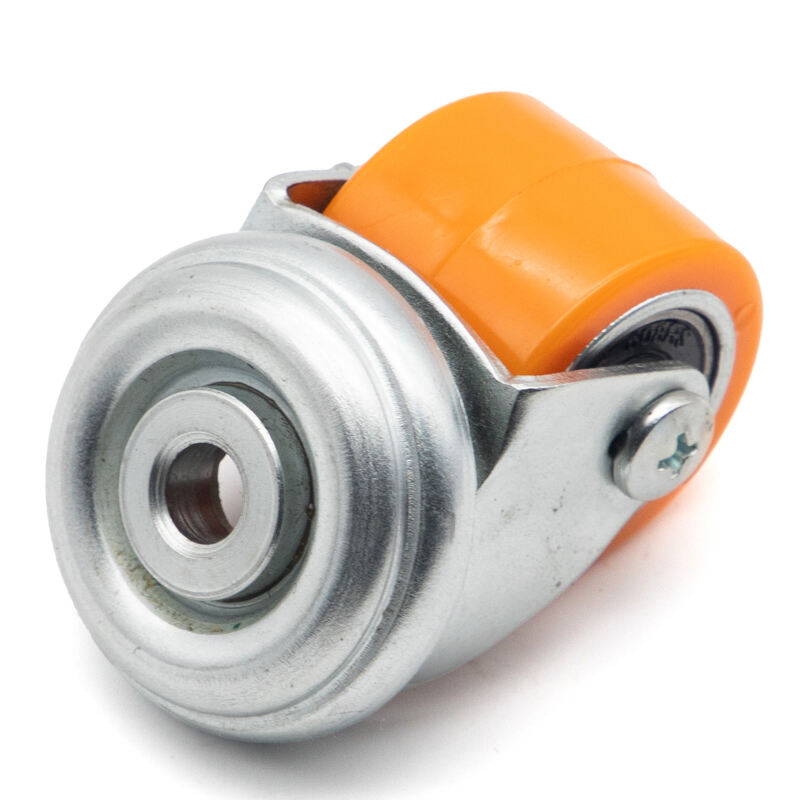
Clean Swivel Wheels Regularly to Prevent Debris-Induced Wear How Debris Accelerates Wear in Swivel Wheel Mechanisms Debrisâsuch as dust, gravel, and hairâinfiltrates swivel wheel bearings and axles, acting as abras...
VIEW MORE

